
Expanding Possibilities in Georgia: A Developer’s AMDP Path
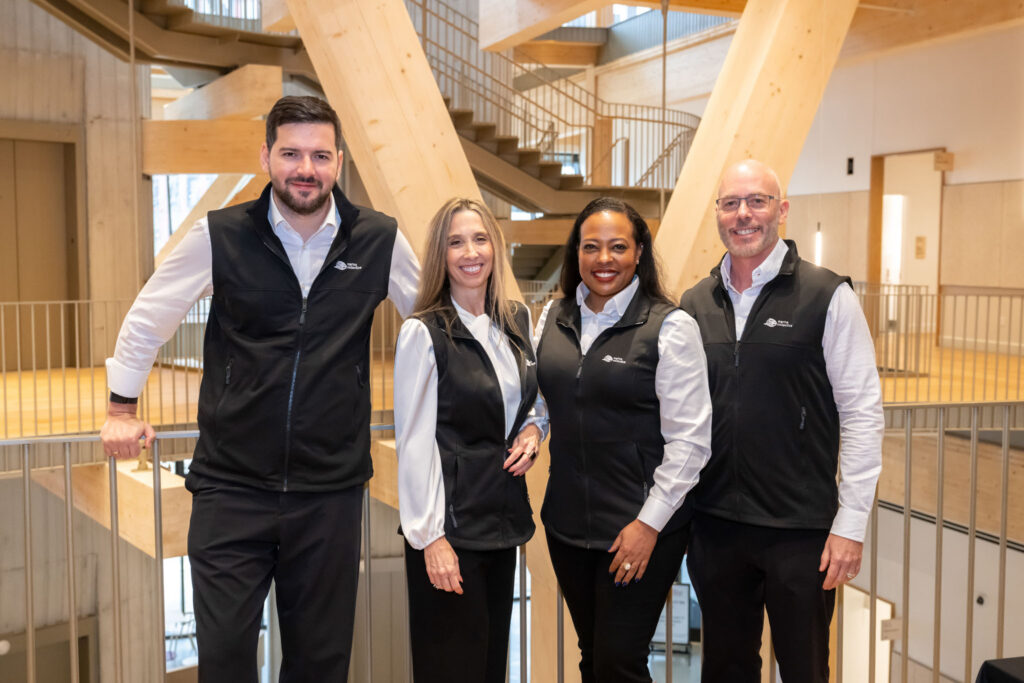
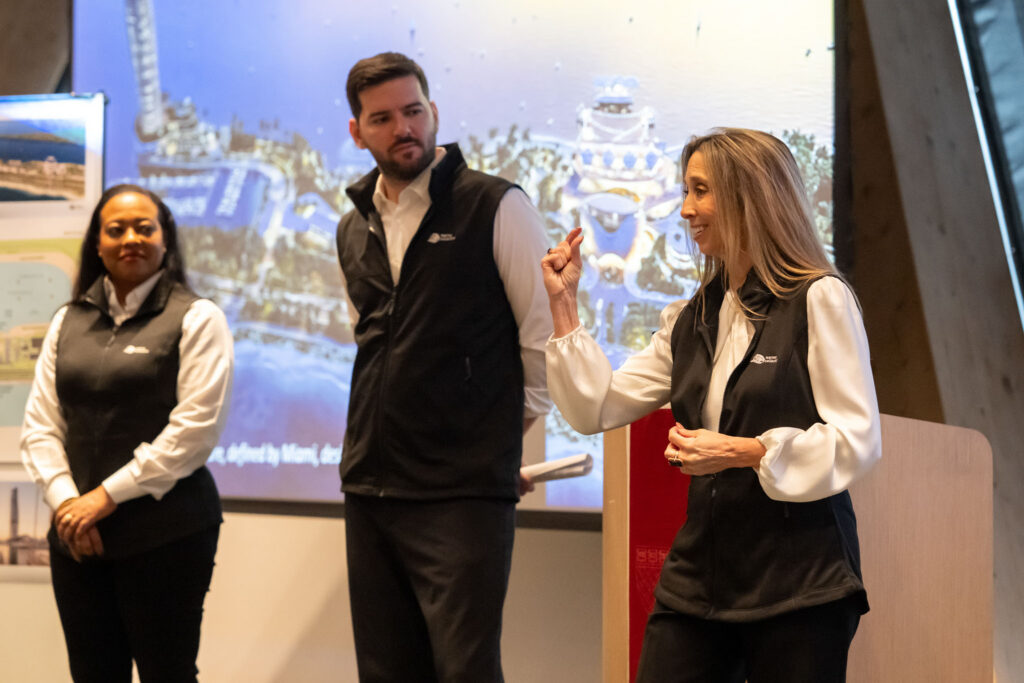
When Otar (Oto) Berishvili (far left in the above photo), Advanced Management Development Program in Real Estate (AMDP) Class 26, looks at a Soviet‑era publishing house or a century‑old sanatorium in Tbilisi, he doesn’t see a relic—he sees a future hotel, a public courtyard, or a collaborative workspace where Georgia’s next generation of entrepreneurs will gather.
Based in Tbilisi, Oto is Managing Director and Board Member at Adjara Group Holding, a real estate developer and operator working to redefine Georgia’s urban landscape. His work centers on breathing new life into old places—turning former factories and institutional buildings into vibrant hotels, public spaces, and work hubs.
“A large part of my experience has been reimagining overlooked industrial and Soviet-era buildings in Georgia as hotels, restaurants, cultural venues, and public gathering spaces,” he says. “Our vision is that the built environment could help reshape how people experience the city itself.”
For Oto, these structures are not just physical shells. “These buildings carry memory and identity beyond their form,” he explains. “The most successful transformations preserve a sense of continuity with the city rather than erase it. People respond strongly to places that feel authentic, layered, and emotionally connected to their surroundings.”
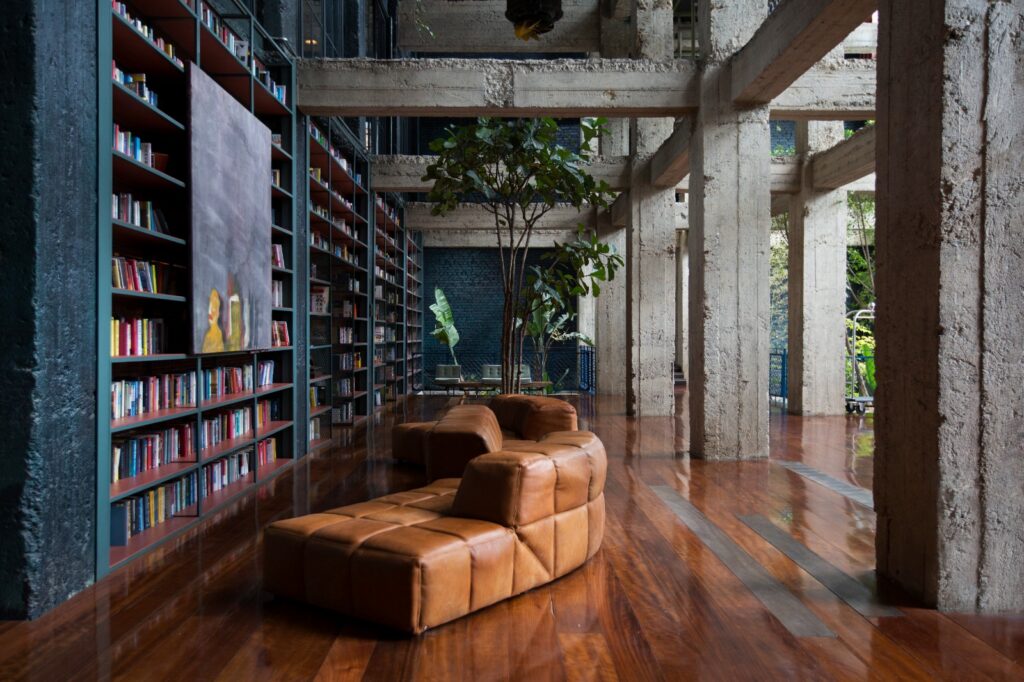
Under the leadership of Adjara Group’s founder, Temur Ugulava, that philosophy has turned hospitality into a tool for urban regeneration — many of their projects center around activating underused sites and turning them into anchors of contemporary urban life.
When Experience Alone Was No Longer Enough – What Led Oto to the AMDP
By 2023, the scale and complexity of Oto’s work had grown significantly. He was still delivering individual projects, but his role was shifting. He was increasingly involved in questions that extended beyond any single building, such as how should fast-growing cities evolve, how to ensure proper long-term stewardship in an emerging market, and how can development support both economic returns and public life?
“Between 2023 and 2025, I found myself increasingly involved not only in individual projects, but in broader questions around urban transformation, adaptive reuse, long-term investment thinking, and the relationship between development and public life,” he recalls. “At a certain point, I realized that experience alone was no longer enough. I wanted to step outside my immediate environment and learn from people operating in very different markets and institutional contexts.”
“What made the AMDP particularly compelling was that it sits at the intersection of design, finance, governance, development, and cities,” he says. “It’s much more than a real estate program. It’s about how places are imagined, financed, governed, and sustained over time.”
A Global Peer Group, A “Very Rare Learning Environment”
Oto was drawn to the AMDP by the curriculum and the people he would be learning alongside.
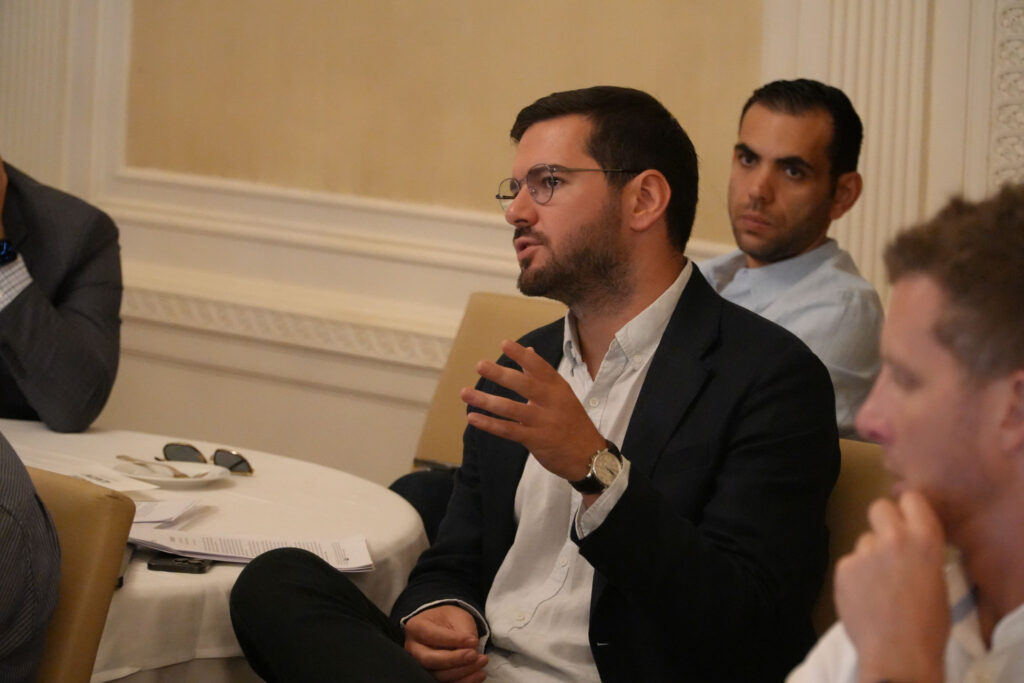
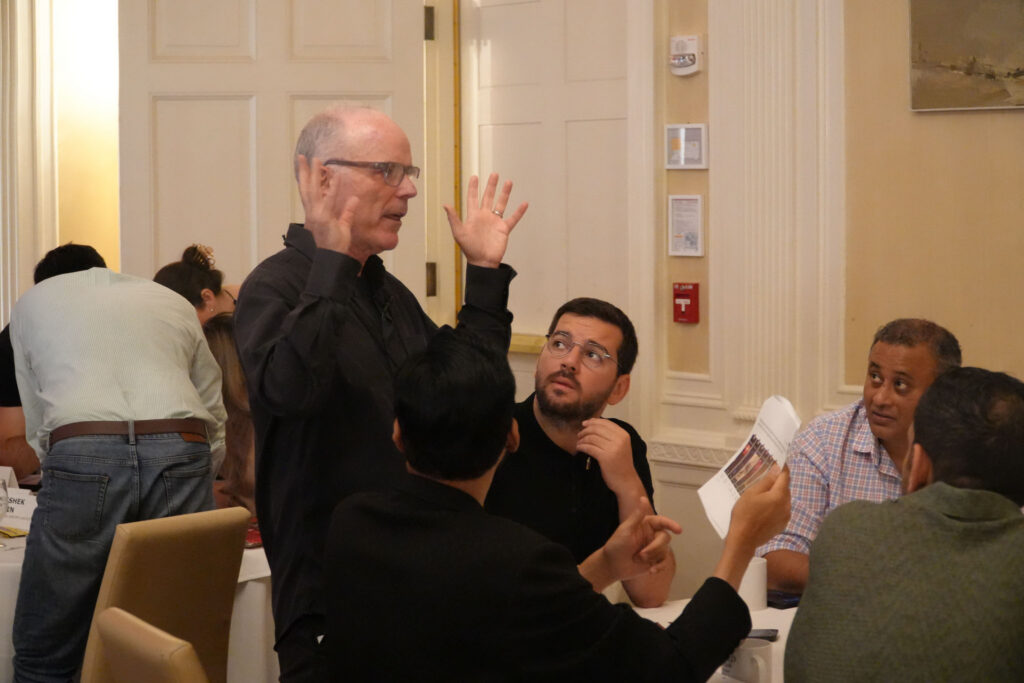
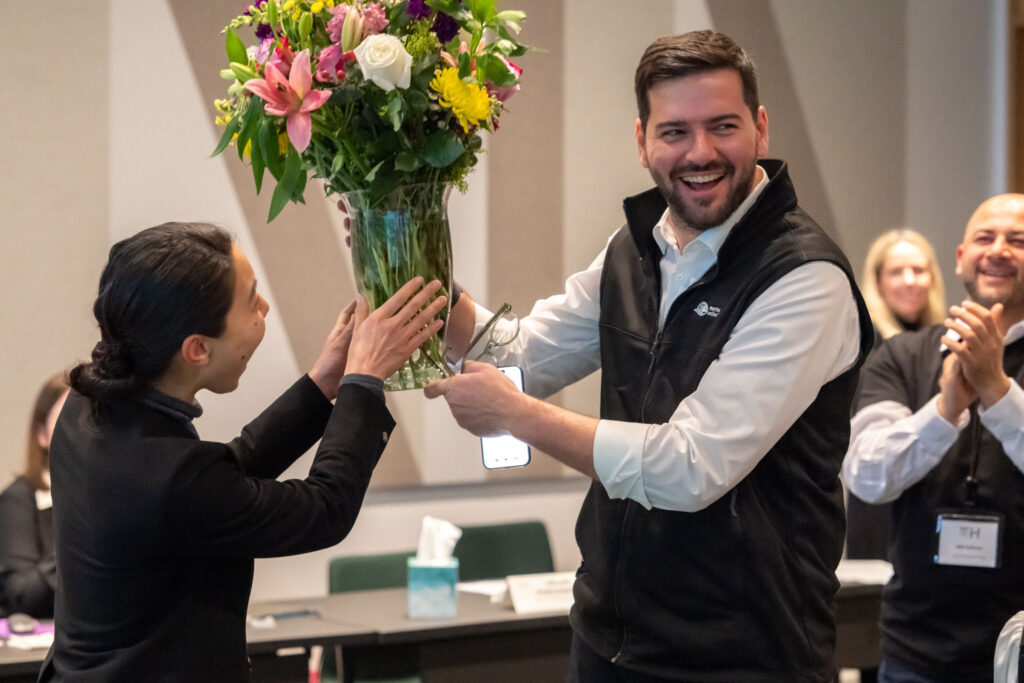

“What makes it unique is the diversity of perspectives in the room,” he says. “You are learning alongside developers, architects, investors, planners, public‑sector leaders, and operators from very different markets.”
He notes that some of the most valuable learning happens outside formal sessions. “The conversations between classes, the exchange of experiences across markets, and the relationships that form during the program are a huge part of its value,” he says. “People are willing to discuss both successes and failures honestly, which creates a very rare learning environment.”
“You begin looking at projects not only as buildings or investments, but as long‑term systems that shape how people live, interact, and experience cities.”
Georgia, a Market at a Turning Point
Those systems-level questions are especially relevant in Georgia, where tourism, international investment, infrastructure improvements, and urban regeneration are accelerating.
“Georgia is a very dynamic and entrepreneurial market,” Oto tells his classmates. “In many ways, the country is still actively shaping its urban, institutional, and development frameworks in real time. That creates both opportunity and complexity.”
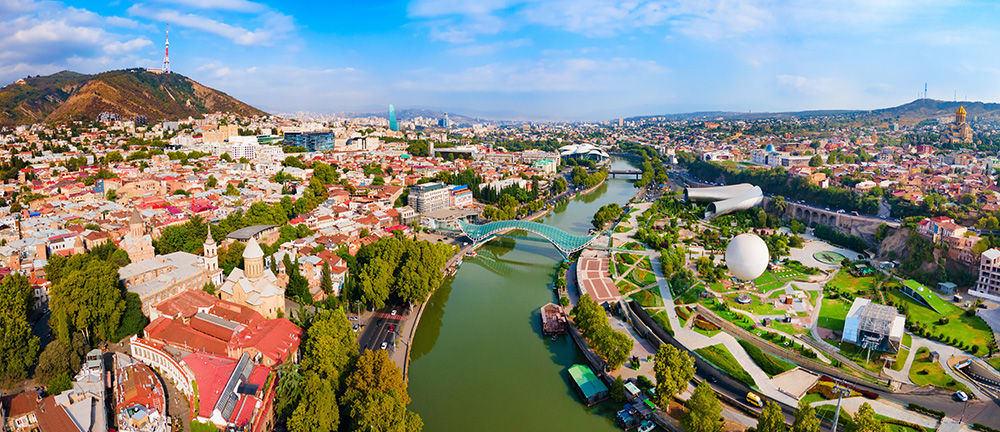
One thing that surprises many of his peers is how quickly projects can move. “There is a certain flexibility and openness to transformation that can be very exciting,” he says. “At the same time, because many systems are still evolving, relationships, trust, and long‑term thinking become extremely important. One of the key challenges is balancing speed with institutional maturity.”
The AMDP has given him new ways to think about how to balance city‑making, governance models, and investment structures, and about the role he and his collaborators can play in shaping it, both through the curriculum, and the conversations among peers that follow.
From Single Projects to the Generational Growth of Cities
“One of the ways the AMDP has influenced me most is by expanding my thinking from individual projects toward the longer‑term structures and systems behind redevelopment and adaptive reuse initiatives,” Oto reflects. “It has reinforced the importance of governance, alignment between capital and operators, disciplined execution, and long‑term stewardship of assets.”
“Perhaps most importantly,” he says, “the program has expanded the range of what I believe is possible—particularly in adaptive reuse, mixed‑use development, and projects that combine commercial viability with cultural and civic relevance. It has shaped how I think about building institutions, partnerships, and places that can contribute to the country’s growth over generations rather than individual development cycles.”