

Dr. Adeniyi Tinubu is a highly respected real estate leader and visionary whose work spans strategic property development, global investment facilitation, PropTech innovation, and public-private partnerships. He is the CEO of Hudders Field Property Agency–Nigeria, a multidisciplinary real estate firm specializing in facility management, commercial leasing, advisory, and sustainable urban renewal.
Dr. Tinubu is widely recognized for his mission-driven approach to revitalizing government-owned and legacy properties into viable commercial hubs—such as the historic Iddo Railway Terminal in Lagos—with a view to maximizing returns, fostering regeneration, and catalyzing investment. Dr. Adeniyi Tinubu played a pivotal role in fostering the bilateral partnership between the National Association of Realtors®️ (NAR)—the largest trade association in the United States—and the Association of Estate Agents in Nigeria (AEAN). This landmark collaboration, rooted in shared values of professionalism, global real estate standards, and cross-border networking, was made possible through Dr. Tinubu’s strategic leadership and commitment to international real estate cooperation.
As a respected global real estate professional and advocate for stronger international linkages, Dr. Tinubu initiated and guided discussions that culminated in the formal recognition of AEAN as NAR’s bilateral cooperating association in Nigeria. His efforts not only expanded professional development opportunities for Nigerian real estate practitioners but also opened pathways for joint initiatives, knowledge exchange, and participation in global markets under the Realtor®️ brand. This achievement reinforces Dr. Tinubu’s ongoing dedication to elevating the real estate profession in Nigeria through global affiliations and thought leadership.
In 2025, Dr. Tinubu was appointed to the Certified International Property Specialist (CIPS) Advisory Board of the National Association of Realtors®️ (NAR), USA—a prestigious role that affirms his contributions to cross-border real estate engagement and his leadership in advancing international standards across markets. He also serves as a Board Member of FIABCI Nigeria, the Nigerian chapter of the International Real Estate Federation (FIABCI), where he helps guide the organization’s mission to promote ethical, inclusive, and globally connected real estate practices in Nigeria.
Through Hudders Field Property Agency, Dr. Tinubu has led trade missions, global webinars, and investment dialogues involving stakeholders in the United States, Ghana, United Kingdom, Uganda, South Africa, Tanzania, Gambia and Côte d’Ivoire. His work in fostering international collaboration includes partnerships with the Charleston Trident Association of Realtors (CTAR), USA, the Ghana Real Estate Professional Association (GREPA), and various regional governments. As a leading advocate of PropTech in Africa, Dr. Tinubu promotes the integration of digital tools and AI in real estate operations to improve transparency, valuation accuracy, and asset management. He is also known for his deep commitment to youth empowerment, mentorship, and professional development in the built environment. His contributions have earned him multiple recognitions, including an Award of Excellence from the National Association of Nigeria Northern Students. Dr. Tinubu is a regular speaker at local and international forums focused on urban development, investment trends, and global real estate opportunities—serving as a dynamic bridge between Africa’s real estate markets and the world.
Adeniyi Tinubu

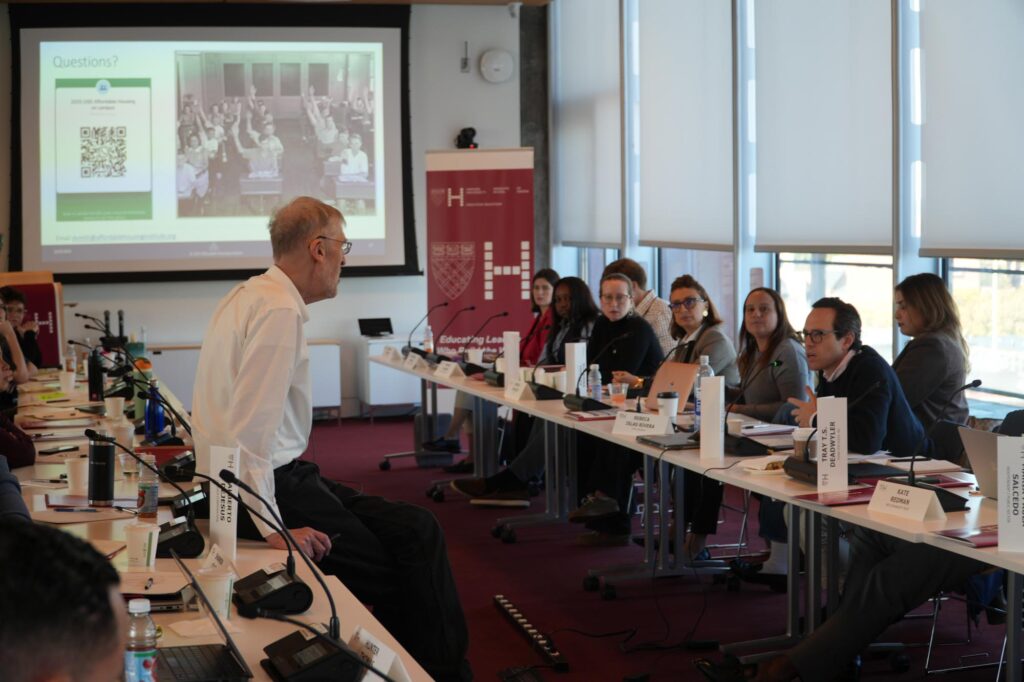
Adeniyi Tinubu took Affordable Housing Essentials: How to Design, Develop, & Finance Properties Growing Cities Need with us on campus in October 2025, and we asked him a few questions about his experience after.
Would you recommend this program to other affordable housing professionals?
Absolutely — without hesitation.
The Affordable Housing Essentials Program at the Harvard University Graduate School of Design Executive Education is a life-changing experience for anyone passionate about creating housing solutions that are inclusive, sustainable, and impactful.
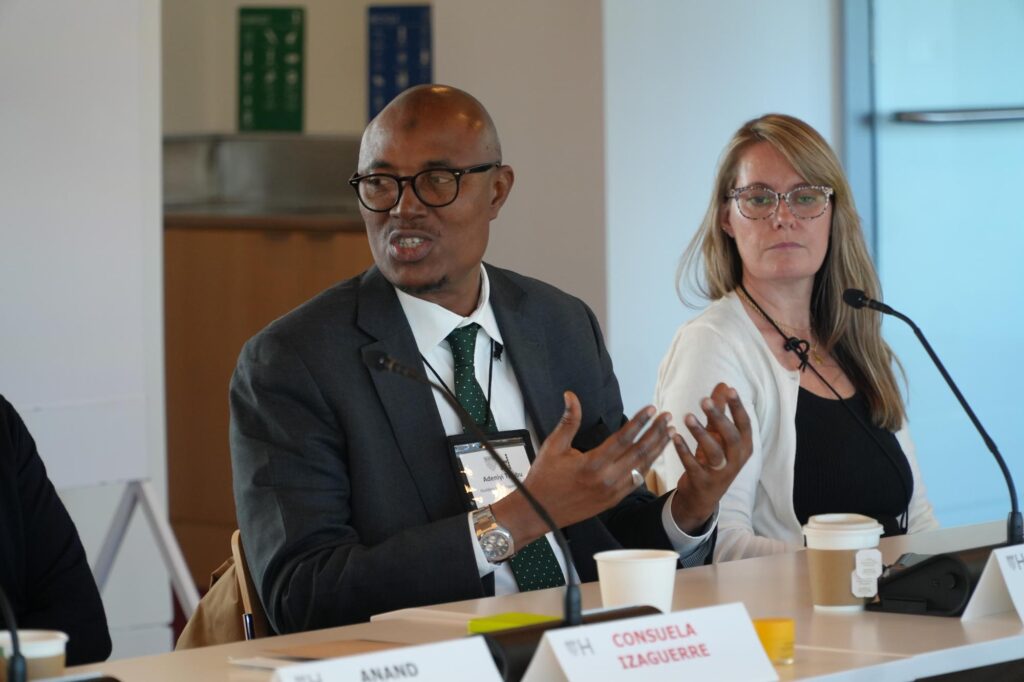
The program is not just about theory; it offers real-world strategies, global perspectives, and practical frameworks that empower professionals to tackle housing challenges in their own contexts. Participants gain insights from some of the best minds in housing design, policy, and finance, while also engaging in rich discussions with peers from around the world who share the same commitment to making housing accessible for all.
For me, Harvard provided more than knowledge — it provided inspiration, collaboration, and clarity of purpose. It reaffirmed my belief that affordable housing is a cornerstone of social development and economic empowerment.
To every real estate developer, urban planner, policymaker, or housing advocate seeking to make a difference: this program is an essential investment in your professional growth and your capacity to drive meaningful change in your community.
Why did you choose to sign up for this program, and how was your experience?
I chose to enroll in the Affordable Housing Essentials Program at Harvard University Graduate School of Design Executive Education because of my deep commitment to addressing the housing challenges in Nigeria and across Africa. The course offered a rare opportunity to learn from world-renowned faculty and global practitioners who are shaping innovative housing solutions that balance policy, finance, design, and sustainability.
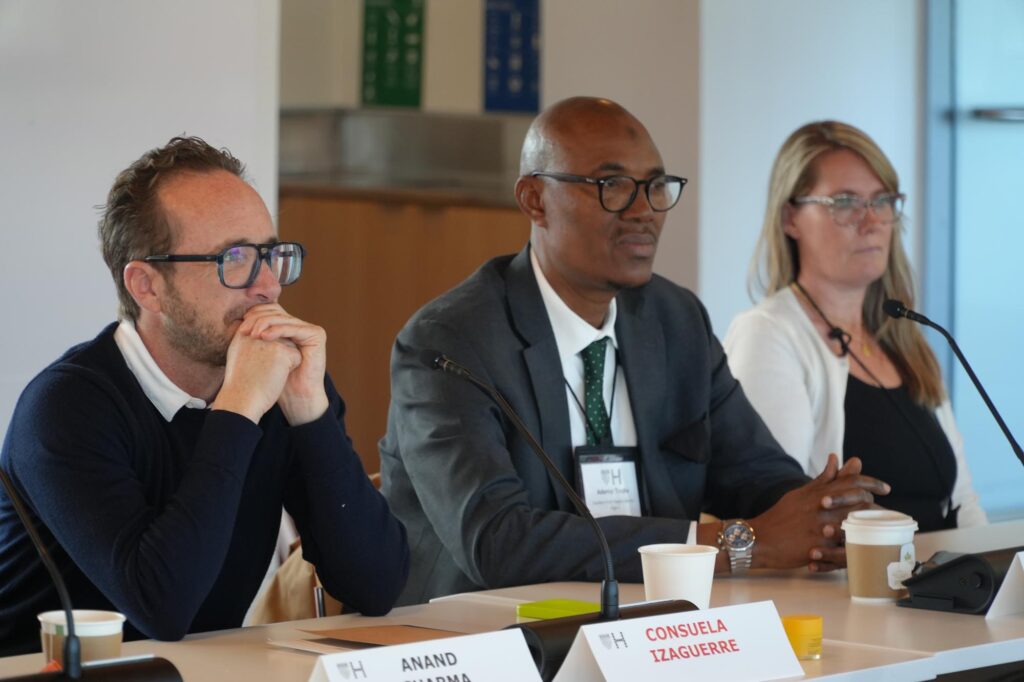
My motivation was to gain advanced insights into affordable housing development models, explore public–private partnerships, and understand how urban planning and community engagement can drive inclusive housing growth. As a real estate professional and advocate for sustainable development, I saw Harvard’s program as a platform to bridge global best practices with local realities back home.
The experience was truly transformative. It provided not just academic knowledge but also a collaborative environment where I interacted with diverse professionals from around the world — architects, policymakers, financiers, and developers — all passionate about solving the housing crisis. The discussions were engaging, the case studies enlightening, and the faculty guidance invaluable.
The program deepened my conviction that affordable housing is not just about building homes, but about building communities and economic inclusion. I left Harvard inspired, better equipped, and more determined to apply these lessons to create impactful housing solutions through initiatives like Hudders Field Property Agency–Nigeria.
Could you tell us a little about the housing ecosystem in Nigeria?
Our nation’s housing sector is both challenging and full of potential. With an estimated housing deficit of 17–22 million units, the demand for decent and affordable homes continues to grow rapidly due to population expansion, urban migration, and rising construction costs. The ecosystem involves multiple players — government, private developers, financial institutions, and communities — working within a landscape marked by land access issues, financing gaps, and policy inconsistencies.
However, there’s growing optimism. Innovative models such as rent-to-own schemes, cooperative housing, and PropTech-driven solutions are emerging. More stakeholders are embracing green building practices, sustainable design, and digitized real estate systems to improve efficiency and transparency.
At Hudders Field Property Agency–Nigeria, we are determined to be part of this transformation — promoting affordable, eco-friendly, and community-driven housing solutions. The Harvard experience has not only broadened my perspective but also strengthened my resolve to contribute meaningfully to Nigeria’s housing development goals.
As we continue to learn, innovate, and collaborate, I believe the future of affordable housing in Nigeria can be both sustainable and inclusive, ensuring that every citizen has a place to truly call home.

How do you plan to apply what you have learned in this program back home?
The insights I gained from the Affordable Housing Essentials Program at Harvard University Graduate School of Design Executive Education have given me a renewed sense of purpose and a clear roadmap for action in Nigeria’s housing sector.
My plan is to translate global best practices into local impact by focusing on the following key areas:
- Developing Scalable Affordable Housing Models – I intend to promote housing solutions that balance affordability, sustainability, and community needs.This includes introducing modular construction techniques, mixed-income housing developments, and innovative financing models that make homeownership more attainable for low- and middle-income earners.
- Strengthening Public–Private Partnerships (PPP) – Collaboration is key. I plan to work closely with government agencies, financial institutions, and international partners to design PPP frameworks that encourage private sector participation in large-scale housing projects while ensuring social inclusion.
- Promoting Green and Sustainable Design – Inspired by global case studies at Harvard, I aim to integrate eco-friendly materials, energy efficiency, and water management systems into housing developments — making sustainability a standard, not an exception, in Nigeria’s real estate landscape.
- Empowering Local Communities – Beyond building structures, I plan to focus on community development, ensuring residents are active participants in shaping their living environments. This approach fosters ownership, pride, and social cohesion.
- Advancing Knowledge Sharing and Policy Advocacy – Through Hudders Field Property Agency–Nigeria, I plan to create platforms for continuous dialogue among developers, policymakers, and researchers — sharing insights from the Harvard experience to influence policy reforms that support affordable housing and urban renewal.
Ultimately, my goal is to contribute to a more inclusive, sustainable, and equitable housing ecosystem in Nigeria — one that reflects the lessons learned from Harvard and responds to the unique realities of our society.