

Maria Cristina is Director of Architecture and Design at Athié Wohnrath, one of Brazil’s largest architecture and design firms. For more than 15 years, she has studied the intersection of design, user experience, and the workplace environment, bringing a 360° perspective to complex projects.
Her work focuses on translating client needs into environments that support organizational goals and elevate user experience. With expertise in Design Thinking, UX and BIM implementation, Maria Cristina leverages strategy and technology to ensure innovation, efficiency, and seamless project delivery.
Fluent in Portuguese, English and German, and experienced in cross-cultural collaboration, she contributes to workplace visioning sessions on how design can foster connection, well-being, and performance.
Maria Cristina Bianchessi

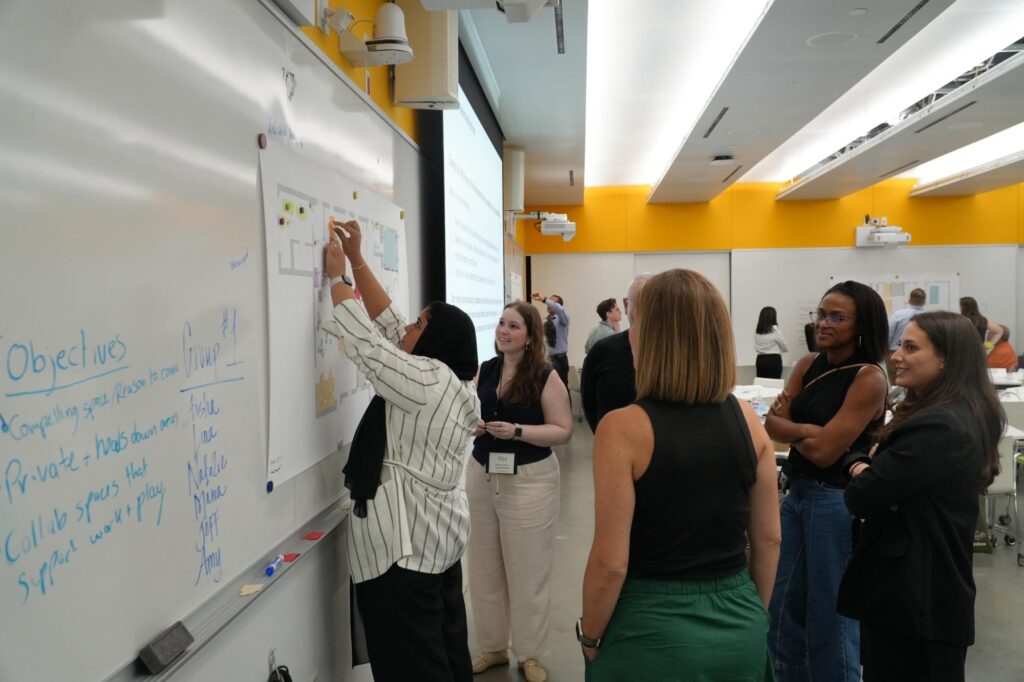
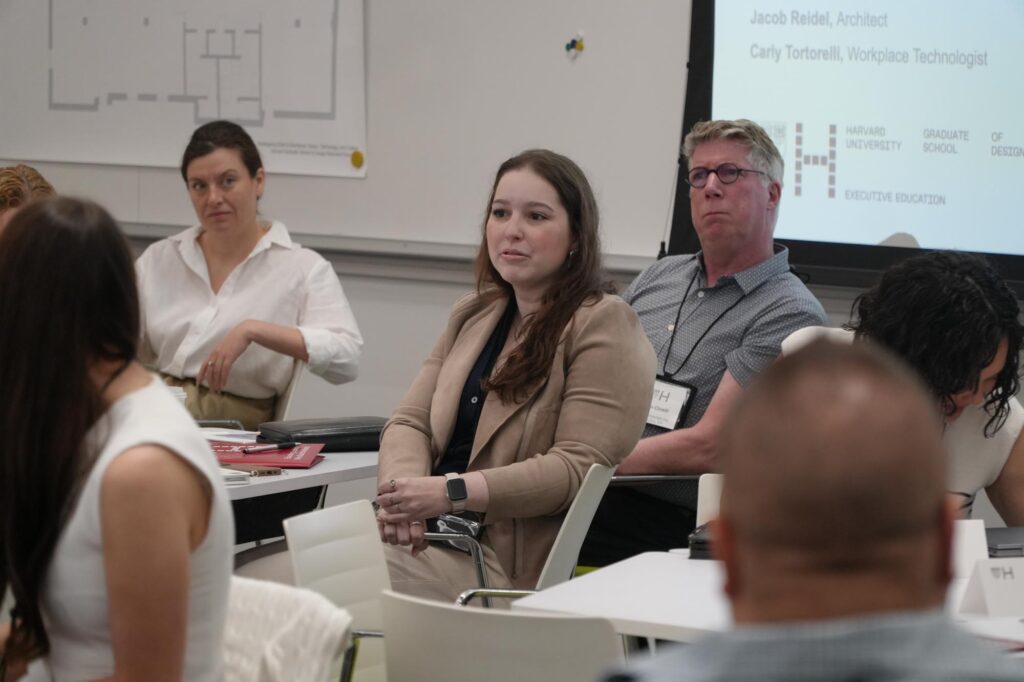
Maria Cristina took Redesigning Work & Workplace: Space, Technology, and Culture with us in July 2025, and we asked her a few questions about her experience after.
Why did you choose to sign up for this program, and how was your experience?
I chose to sign up for this program because I wanted to understand and study how other people and countries were envisioning the future of organizations. On a daily basis, I am constantly working with clients who are navigating change, and I saw this course as an opportunity to step out of my routine, connect with professionals with different backgrounds and perspectives in order to challenge my own assumptions about the future of work.
The experience exceeded my expectations. Learning directly from the Harvard faculty and exchanging ideas with people from diverse industries, areas and countries gave me new insights and perspectives.
Also having not only architects but also workplace managers and other professionals in the course gave us a broader understanding of the different points of view and also a clearer sense of how clients themselves perceive and experience workplace projects.
One of our favorite parts of this program is the rich learnings that come from workplace professionals sharing insights. What stands out from what you learned from your fellow participants?
What stood out the most to me was the diversity of perspectives in the room. Hearing directly from workplace managers, architects and professionals from different industries and countries gave me a much richer understanding of how organizations are approaching similar challenges in unique ways. The openness with which participants shared both successes and struggles created an environment of genuine learning. For me personally, an especially valuable part was gaining a clearer view of the differences between the U.S. and Brazilian markets.
Tell us a little about what makes designing workplaces in Brazil unique.
Designing workplaces in Brazil is unique because it blends global standards with strong local cultural influences. Beyond technical requirements, we must navigate strict local regulations, complex approval processes, and infrastructure challenges that are very specific to the Brazilian market.
At the same time, there is a deep cultural emphasis on community, connection, and flexibility, which shapes how spaces are conceived and used.
Adding to the challenge, we often need to achieve all of this with less square footage per person compared to other markets, while still delivering workplaces that are highly functional and visually inspiring.
Would you recommend this program to other workplace professionals?
Absolutely. I would highly recommend this program to other workplace professionals, as well as architects and interior designers.