
Real Estate Investment Strategy, AI Models, & Data Analytics: US Multifamily in December 2026
Participants begin with a to-the-moment overview of US multifamily market conditions, for both market-rate and affordable housing. They then explore how AI is used in sophisticated real estate investing, first through a chat interface and then through agents that draw on external data sources, and apply what they learn to real multifamily deals.
Commercial real estate investment professionals must make informed decisions, yet they are often inundated with meaningless and contradictory information that masquerades as “data.” This program gives you a way to build an integrated investment perspective you can act on.
Instructor Jeff Adler is an executive working at the cutting edge of real estate data and AI-powered investing. He presents case studies in market-rate and affordable acquisition and development, set in the current financing environment. The program uses Claude specifically, from chat through connector-based agents, and the insights carry over to other AI tools.
What to Expect



- Established US real estate investors seeking to use data and AI to make better investment decisions
- International real estate investors looking to apply US investment trends to their home markets or enter the US market
- Investors new to commercial real estate
- Service providers to real estate investors who want to understand the “real estate investor perspective”
- Design, engineering, construction, legal, permitting, financing, marketing, and property management professionals on real estate development teams
Recent Participant Summary
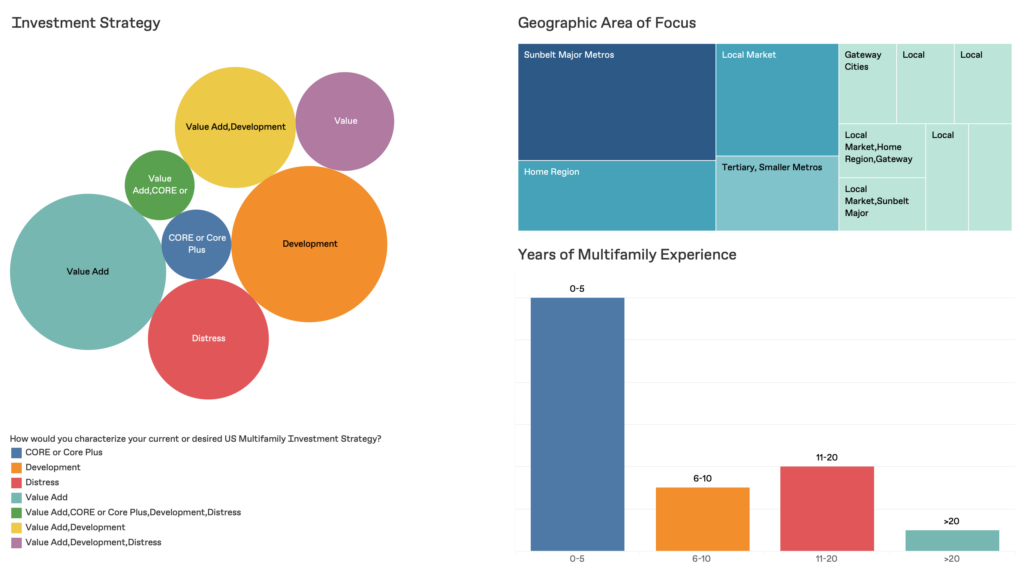

Example Framework – Investment Risk/Opportunity Analysis
Below is a redacted version of the proprietary Investment Risk/Opportunity Analysis as presented in December 2023.
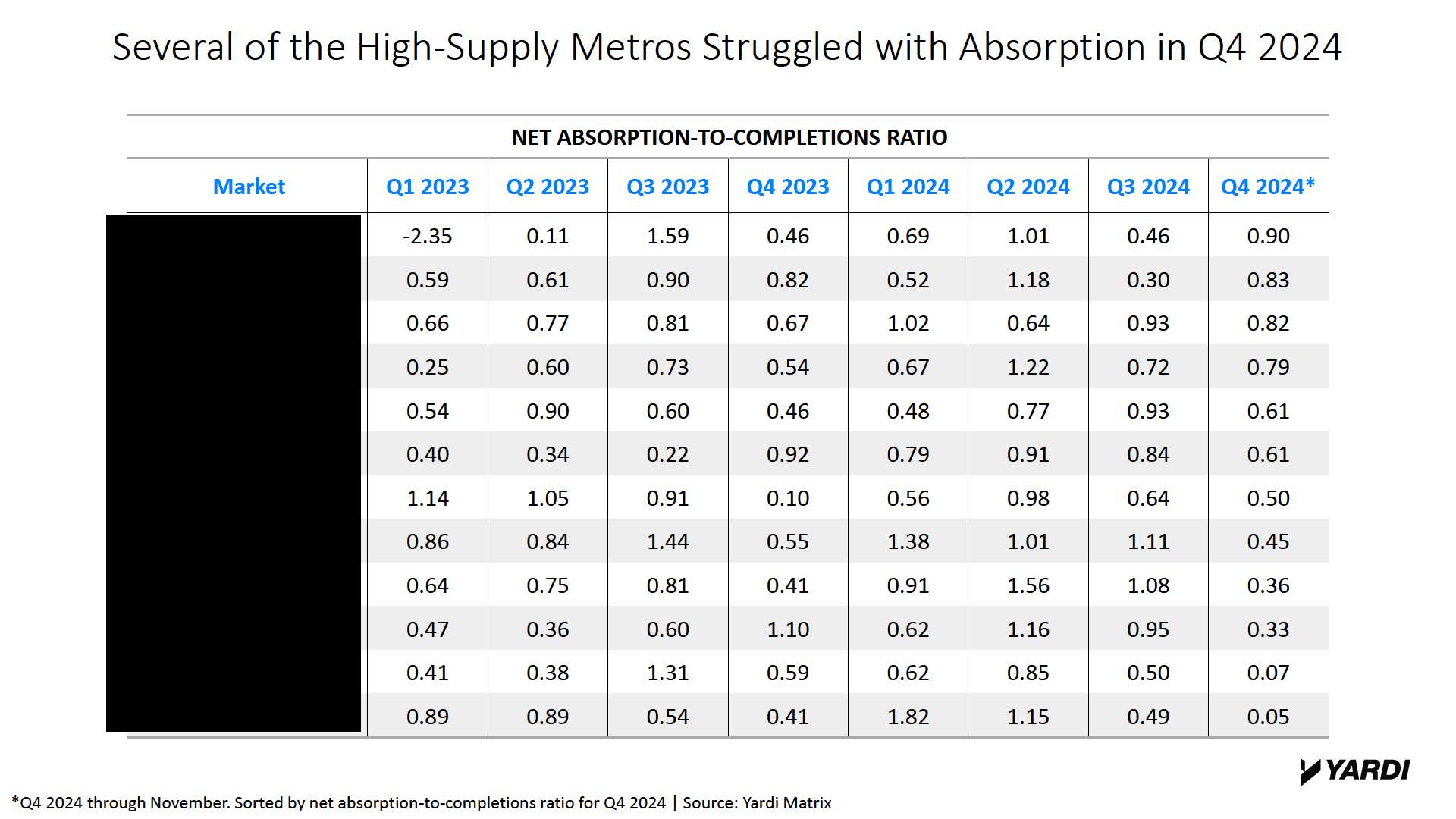
Example Slide – Multifamily Unit Absorption by US Metro
Below is a redacted version of a metropolitan area comparison of multifamily unit absorption, as presented in January 2025.
Instructor

Jeff Adler
Vice President, Matrix
Yardi Systems, Inc.
Recent Participant Feedback
This workshop helped me better understand how to apply AI directly to real estate underwriting and decision-making.
Great course and instructor. Real estate investors must stay on the cutting edge of technology to compete, and tools and trainings like this are a simple, effective way to do that.
The perfect combination of market analysis theory and practical decision-making.
Excellent program for both industry experts and new real-estate investors.
The first look at Yardi’s AI tool was super helpful as we develop our own strategy for using AI to facilitate real estate analysis and investment.
The program has been excellent. Great exposure to methodologies and the latest tools.
– Past participants in the program
Registration is open
Real Estate Investment Strategy, AI Models, & Data Analytics: US Multifamily in December 2026
December 2, 4, & 7, 2026 | 11:00am – 01:00pm Eastern
Online
Tuition: $1,750
CEUs: 6 AIA LUs , 6 AICP/CM
AMDP Elective Units: 1
Program size is limited and early registration is recommended.
Program Brochure
Interested in a program brochure? Enter your email below and access a download link.
Registration Benefits, Discounts, & Deadlines
Software Access: Registration for this program grants you access to and personalized training on enterprise-level investment software with proprietary US market data on US multifamily housing. Access is granted from the start of the program through two weeks after its completion and is included in the program tuition. Participants will also have the opportunity to utilize a proprietary AI investment analysis tool.
Instructor Tutorial: There is an optional instructor tutorial on this software, dates to be published.
Please email us at [email protected] with any questions and to ask about group signup.
Registration & Payment Deadlines (Online)
- Credit card payment – 3 hours before the start of the program.
- Wire transfers – 7 business days before the start of the program. We reserve the right to reject any wire transfer payments initiated after this deadline, and the submission of a wire confirmation report cannot serve as proof of payment. Payments must be made online by credit card within this period.