
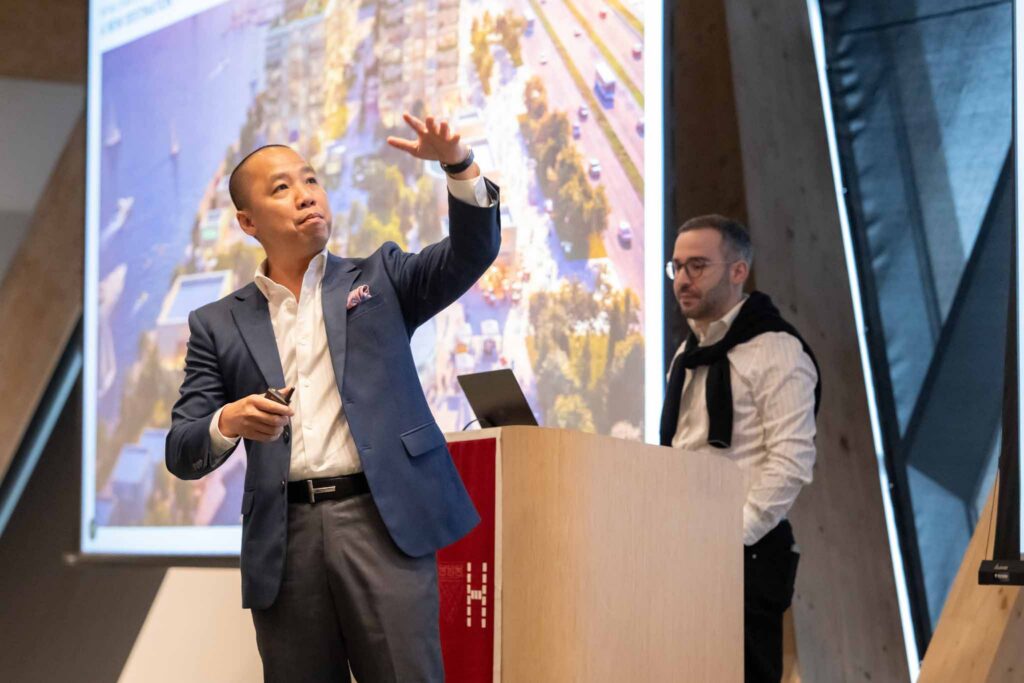
The AMDP and Mega‑Project Developers: A Match Made in Concrete
Insights from Empire City, Ho Chi Minh City, for Real Estate Leaders in Fast‑Growing Cities
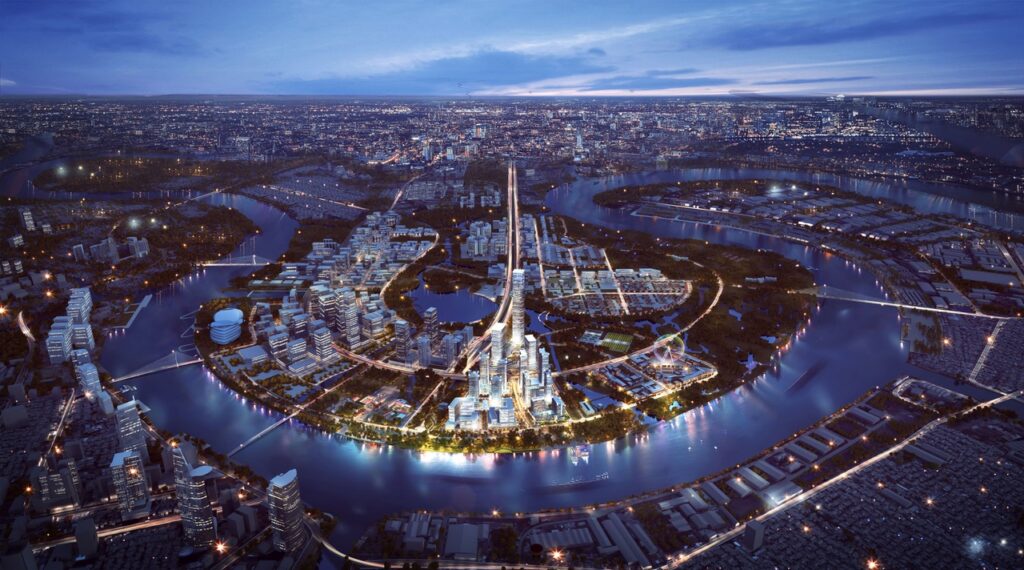
Ho Chi Minh City can be hard to comprehend, and Quoc-Dung Ngo doesn’t pretend otherwise. As Head of Innovation & Community at Empire City—a huge mixed‑use project rising on the Thu Thiem peninsula across the Saigon River from the historic core—he is helping to build a new district almost from scratch.
“Ho Chi Minh City resists description, so I usually tell people to come and lose a week to it instead,” he says. “It is loud, fast, and improvisational, a city that appears to be assembling itself in real time and occasionally without a permit.” Empire City anchors the southern edge of Thu Thiem with hotels, residences, offices, and retail.
“Those of us building here cannot tell you exactly what the skyline will look like in fifteen years, because we are the ones drawing it. That is the weight of the job. It is also the privilege.”
Dung came to our Advanced Management Development Program in Real Estate (AMDP) as a member of Class 26 to see how people in very different markets were solving their own versions of the same problems. We spoke to him in June 2026 before his final term in July 2026, and asked him to point to a few ideas he’s taking back to Vietnam—and to Empire City from his time in the program.
Lesson 1: In Fast-Growing Cities, Speed Is the Opportunity and the Trap
For classmates used to slower, more established markets, the first surprise about Vietnam is usually how fast things move.
“What surprises my classmates most is the pace. A project here can run from approval to handover in four or five years, which in many mature markets is still the permitting phase,” Dung says. “The lesson I pass along is that speed is the opportunity and the trap wearing the same coat. When a city grows this fast, you get to build things that shape it for a generation. You also get to build things that haunt it for one. The institutions, the land title systems, the secondary markets are all still catching up to the cranes.”

Seeing how long it can take to move a project forward in other countries has made him more conscious of that difference. His advice—shaped by both Empire City and AMDP—is not about showing off how fast you can go. It’s about where you decide to slow down, especially on the structural pieces that nobody ever puts in the marketing renderings.
“So my advice to anyone working in a fast-growing city is decidedly unglamorous: move quickly, but spend disproportionately on the foundations nobody bothers to put in the renderings.”
Lesson 2: Alignment First, Approvals Second
Dung has spent years inside Vietnam’s fragmented, sometimes rigid approval process. The AMDP helped him understand what really gets in the way in this system.
“The AMDP sharpened a conviction I had only half formed: the constraint is rarely the real obstacle. The obstacle is the assumption that you must remove it before anything can move,” he says.
Watching classmates talk through their own regulatory systems, and comparing that to his experience in Ho Chi Minh City, nudged him toward a different way of working.
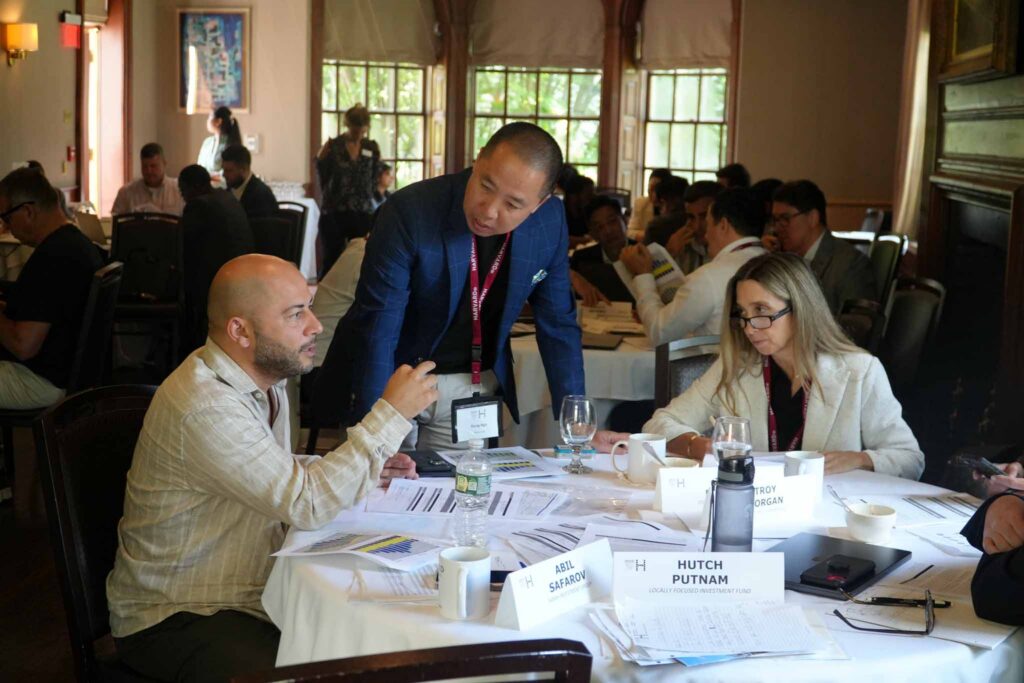
“Watching classmates work through very different regulatory systems and reflecting on my own long correspondence with Vietnam’s approval process, I have come to favour building alignment before pushing for approval. Get the right people genuinely curious about the same outcome, and the bureaucratic path tends to soften ahead of you.”
“It does not always work. But it works more often than the frontal assault, and it costs far less goodwill when it does not.”
Lesson 3: Ask Better Questions About Place, Not Just Project
Dung’s curiosity has taken him into national and regional industry roles. He helped establish ULI Vietnam and sits on the Urban Land Institute’s Asia Pacific Placemaking Council, where conversations range from waterfront design to public realm standards across the region.
“In both roles I do more listening than leading, which I suspect is the correct posture for where Vietnam sits in this conversation,” he says. “What I try to contribute is vocabulary that does not yet have an obvious local equivalent. What does an activated ground floor actually do to the value of everything above it? What does a genuinely good waterfront do to a city’s sense of itself? These begin as small, almost technical questions and quietly open larger ones about who the city is being built for. If I can persuade a handful of planners and developers to ask them out loud, I will count it as progress.”
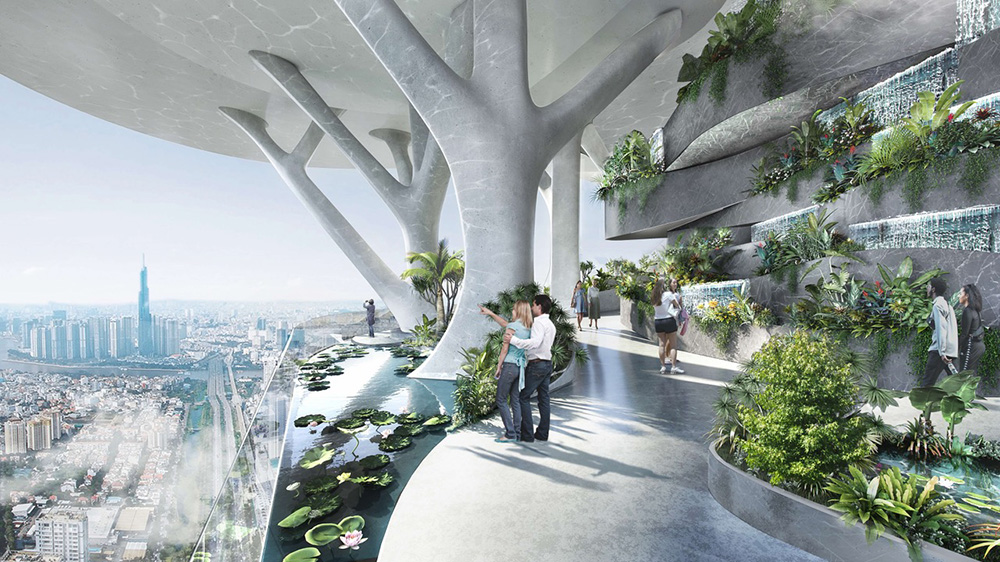
An early moment in AMDP sharpened that line of thinking:
“Early in the program, someone drew a line between building a project and making a place. I had heard the phrase before and nodded at it the way one nods at things that sound true. This time I felt the gap between the two, and I have not managed to unfeel it since,” he says.
“It surfaces now in ordinary internal meetings, where I catch myself asking about the street, about the edges of the site, about the experience of the person who will never once walk through our doors. It is a modest adjustment to where my attention points. It has proven a stubborn one, in the best sense.”
Lesson 4: What You Pour Today, the City Lives With Tomorrow
When he looks ahead, Dung is wary of future prognostications. He is more comfortable talking about where Vietnam is in its development cycle.
“I am wary of the ten-year vision statement, mostly because the honest answer is that I do not have one polished enough to recite,” he says. “What I can say is this. Vietnam is at the stage where the mistakes get poured in concrete and the good decisions compound for decades, and I would rather spend my next chapter on the second category than narrate the first from a safe distance.”
He sees a few concrete ways to lean in on the “second category.” One is inside Empire City itself: “helping Empire City mature from a collection of towers into a place people actually choose to be.” Another is through the policy and standards work that happens at ULI and in other forums, “that outlast any single project.”
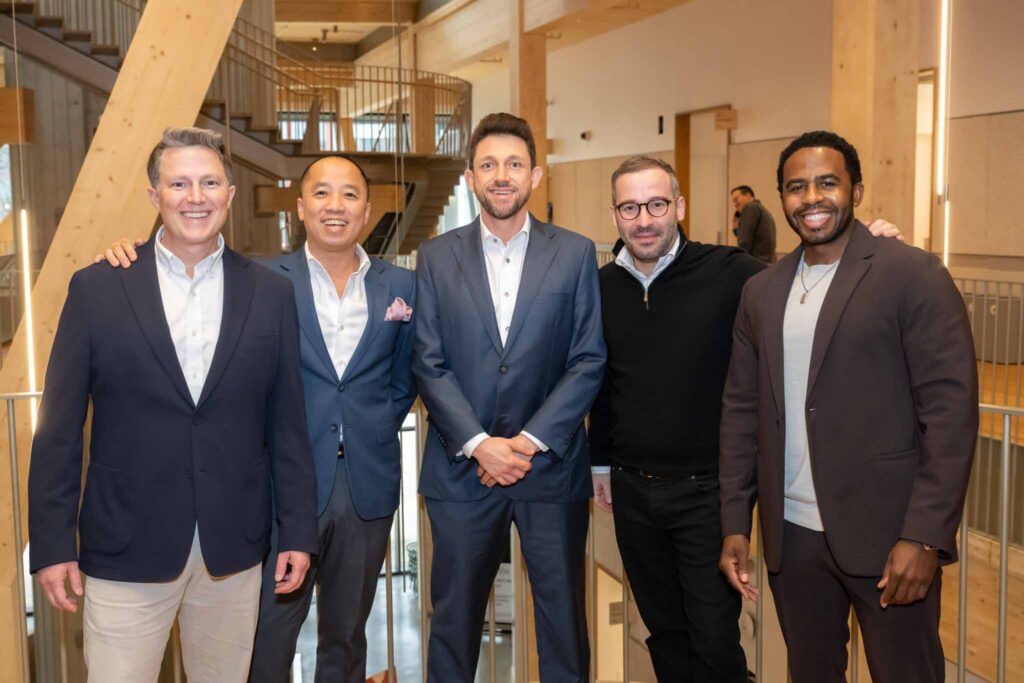
He is also thinking about who will come after him. Part of the work, as he sees it, is “bringing along a few younger professionals who will be running developments far larger than mine once I have run out of useful opinions.”
“If the impact has a shape, it is that: leave the city, the institutions, and the people slightly better equipped than I found them,” he says. “The rest I am content to let arrive on its own schedule.”