
Building for Communities, Part 1: The Case for Affordable Housing as Civic Infrastructure
THE PROBLEM
Do the people who keep your city running live near where they work?
In city after city, the answer is no. Not in the city they sustain – they can’t afford to. They live farther out, commuting farther, absorbing costs in time, money, and health that the city’s choices about who gets to live within its boundaries have quietly imposed on them.
Most people talk about housing as a social program, a political issue, or a budget line item—that misses what it is.
David Smith has spent decades trying to change that. As Founder and Chairman of the Board of the Affordable Housing Institute, and a long-time instructor in our real estate programs, he has seen cities around the world struggle with this problem long enough to understand why they keep getting it wrong. The framing, he says, is wrong from the start.
“Affordable housing is people infrastructure,” Smith says. “It’s where jobs go to sleep at night.”
WHAT INFRASTRUCTURE MEANS
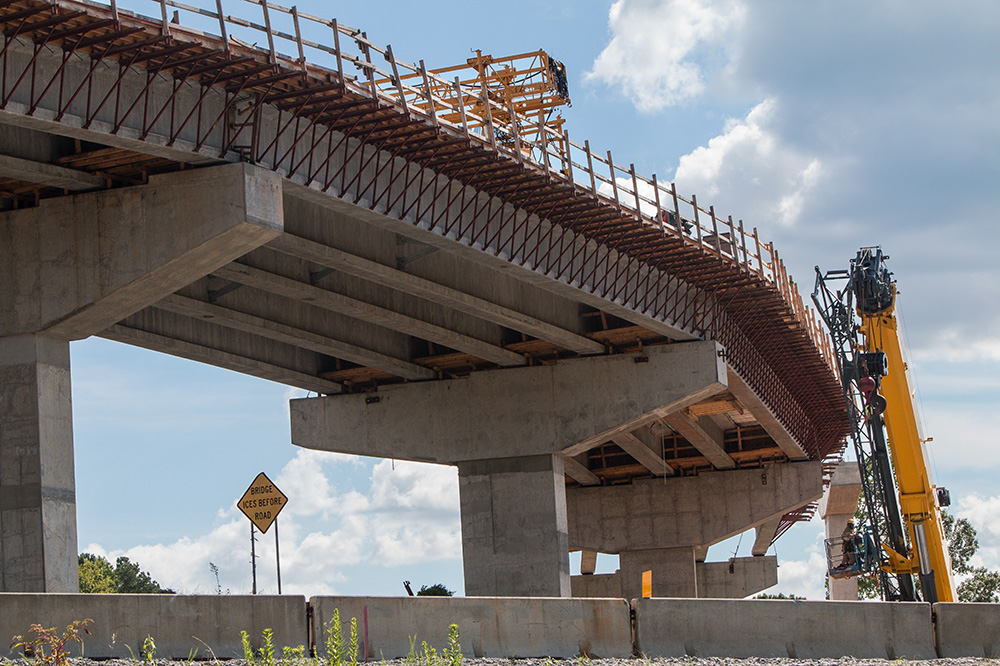
In city budgets, infrastructure is non-negotiable. Political leaders don’t debate whether to build or maintain roads or ask whether clean water systems are worth the investment. We understand that cities cannot function without these systems.



Housing deserves the same awareness, argues Smith. A city that cannot house its workforce has an infrastructure deficit—and like any other declining infrastructure, it compounds quietly, degrading everything else the city is trying to do, until one day it is discovered to be a ‘crisis.’
“This is where children grow up,” he says. “A child’s first experience of the world is their parents. The second is the home their parents provide. That home needs to be decent, stable, and market quality—so kids don’t feel stigmatized, and parents don’t have to sacrifice their health and their futures just to keep a roof overhead.”
When housing fails, everything downstream fails too.
WHAT THE MARKET PRODUCES
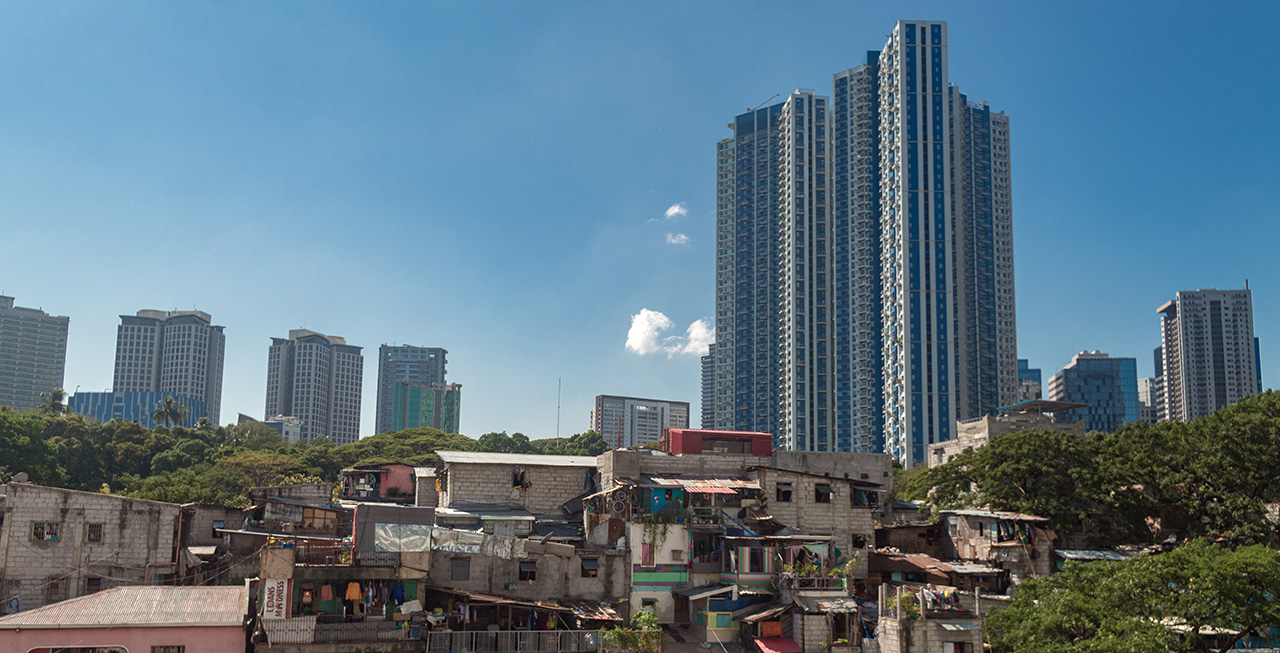
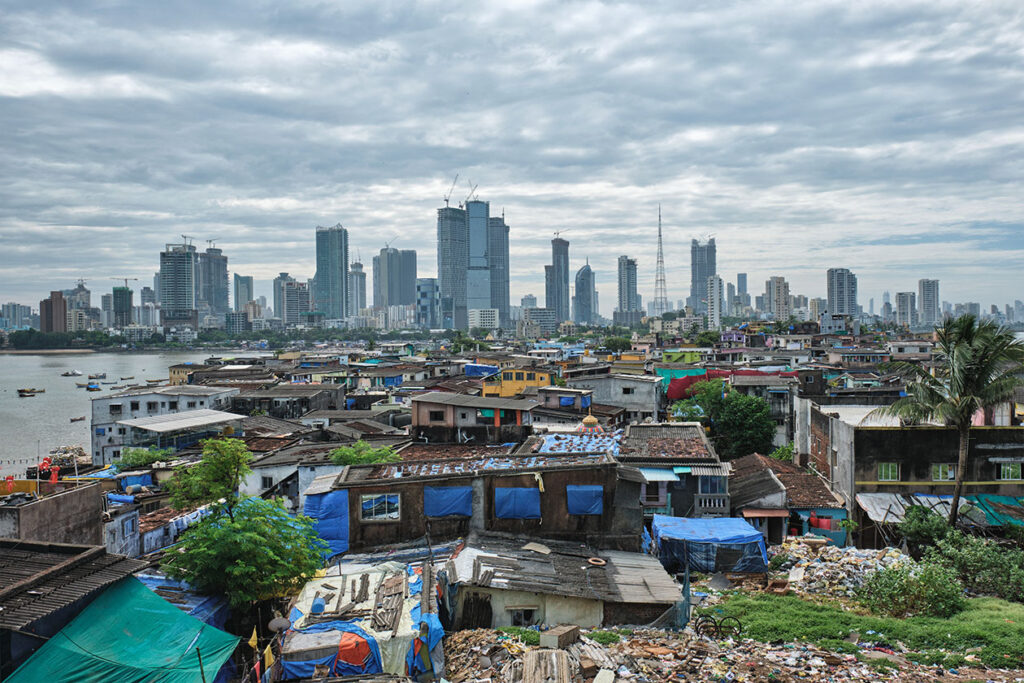
Where there is money, a market of sorts always forms. Housing markets respond to the needs of the poor and the informally employed by delivering the ‘market solution’—housing that poor people can afford, without subsidy or intention. The product they produce will be substandard, or invisible, or overcrowded, and it has a name — one that most city dwellers find uncomfortable.
“In 99% of the world,” Smith says, “the housing that the poor find on their own is called a slum.”
The market finds the price point. It builds, or more often adapts what is already built, to that price point. The result is affordable in cost, and is lacking in everything else.
“In moral terms,” Smith says, “it’s housing you wouldn’t want anyone you care about to live in.”
If we, as moral human beings, want different outcomes, we have to make that choice. The market will not get there on its own.
CLOSING THE GAP
Intentional affordable development begins with a different question: Not “What can the poor afford on their own?” but “What do the poor deserve, and how can we intentionally deliver quality housing at a price they can actually pay?”
Start with the households you are trying to serve. What can they afford, given what they earn? Now look at what it costs to build housing of that quality. The distance between those two numbers is the gap — and that gap does not close itself.
“You raise earning power,” Smith says. “You lower the cost of development. You lower the cost of financing. You pull things together intentionally. And you ring the doorbell of government, philanthropy, and anyone else you can think of who will help.”
In practice, that means layering multiple sources of capital—tax credits, soft financing, public funds, philanthropic resources, and below-market debt. It means working with public agencies as partners whose resources, and whose failure, are both at stake.
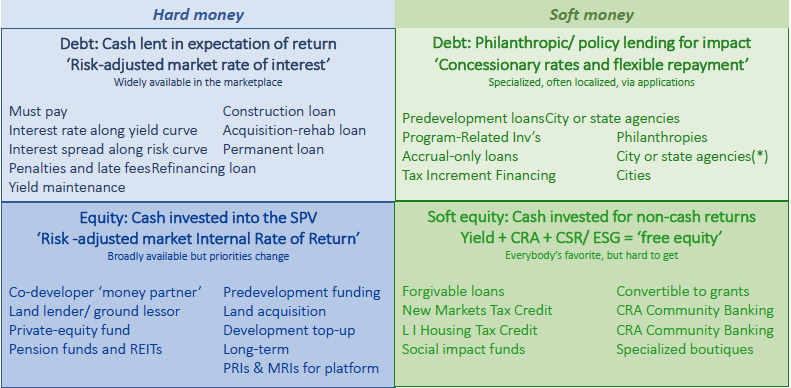
“You do it intentionally. You do it voluntarily with developers who are willing to take public resources and commit to delivering those outcomes. And you do it transparently—because the government, the philanthropies, and the stakeholders all need to know this much input will get you this kind of output.”
The most important word in affordable housing development is intentionally. Affordable housing at market quality does not emerge from markets. It is produced deliberately, by developers who know how to assemble the resources, navigate the relationships, and hold the vision long enough to deliver. It is enabled by policymakers who put the public’s money where the public says its mouth is.
Understanding why so many communities need this kind of investment requires understanding how they got here.
THE HISTORY BEHIND THE NEED
The era of urban renewal transformed American cities in ways that we are still reckoning with. Neighborhoods that had been together were cut apart. One side gained. The other lost—in investment, in opportunity, in the slow accumulation of everything a functioning community requires.
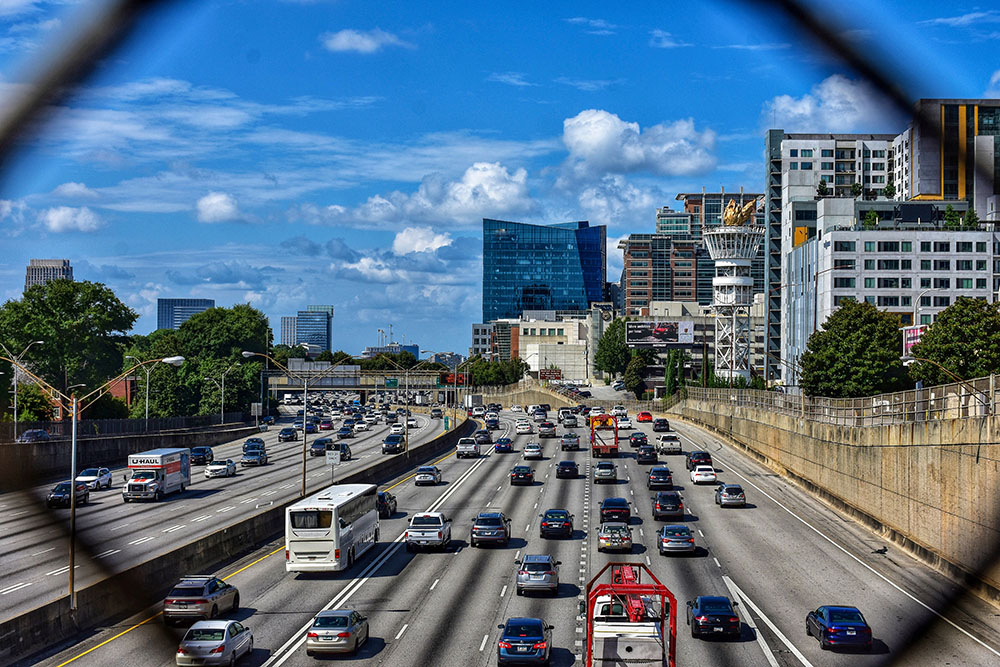
The Atlanta Civic Center is one such example. What stands there now was once Buttermilk Bottom—a Black community settled after the Civil War, with schools, businesses, and deep roots in Atlanta’s identity. In the late 1950s, it was declared a slum, and in short order, it was cleared out. Its residents were displaced. The city built a public auditorium instead of the affordable housing it had promised.
“Sometimes we reward the stuff that’s flashy,” Smith says, “and don’t reward the stuff that actually makes a community thrive.”
Only now, more than half a century later, that promise is being honored—and that story belongs to a developer named Michael Green, which we tell in full in Part 3 of this series.
WHAT HAS TO CHANGE
Two things need to change for more cities to have the housing development they need.
The first is public sector literacy. Too many public officials don’t understand the difference between a grant, a loan, and an equity investment—and can’t structure the partnerships that enable intentional affordable development. Resources get deployed poorly. Good developers can’t get the support they need. The gap stays open.
The second is people. More developers must be willing to put in the time, absorb the risk, and hold the vision long enough for others to believe in it.
“The average person who keeps a big city going cannot live, work, and play in the city they actually support,” Smith says. “Fixing that is not charity. It is infrastructure, and upgrading infrastructure is in every urban dweller’s interest.”
The gap between what cities need and what the market produces will not close on its own. Closing it requires developers who know how to work intentionally—with public resources, layered financing, and a commitment to the communities the market has left behind. The “how” of intentional affordable housing is what David Smith teaches in his programs on affordable housing here.
Affordable Housing Essentials: How to Design, Develop, & Finance Properties Growing Cities Need
September 24-25, 2026 | On Campus
09:00 am–05:00 pm Eastern
Affordable Housing Essentials: How to Design, Develop, & Finance Properties Growing Cities Need
February 3, 5, 8, 10, 2027 | Online
11:00am – 2:00pm Eastern
David Smith is an instructor in Harvard GSD Executive Education’s real estate programs and Founder and Chairman of the Board of the Affordable Housing Institute (AHI). This piece is the first in Building for Communities, a three-part series. Read Part 2: The Principles Behind Great Real Estate Development and Part 3: From Developer to Civic Builder — The Decade-long Journey to Reinvent the Atlanta Civic Center.