
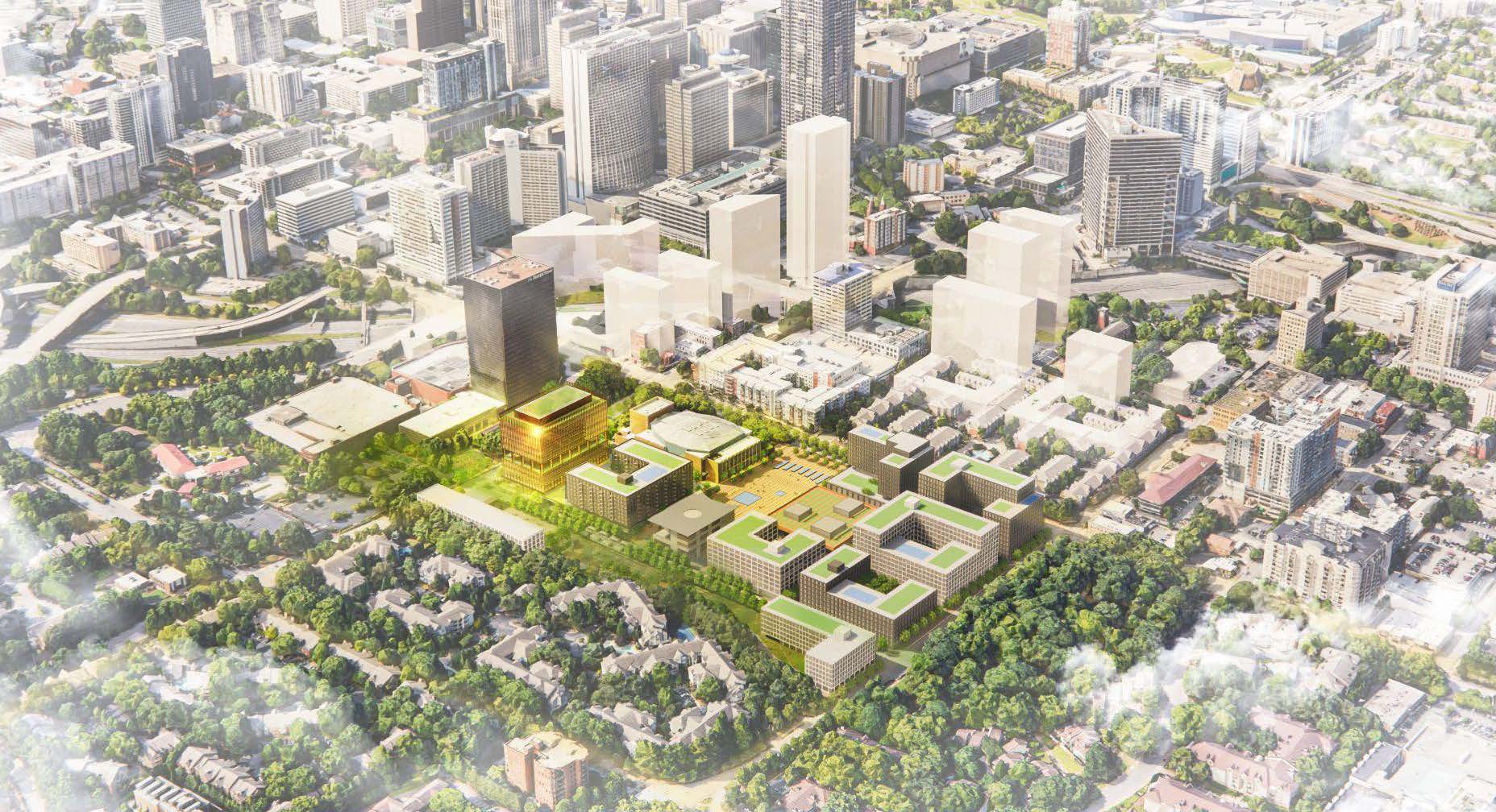
Building for Communities, Part 3: From Developer to Civic Builder — The Decade-Long Journey to Reinvent the Atlanta Civic Center
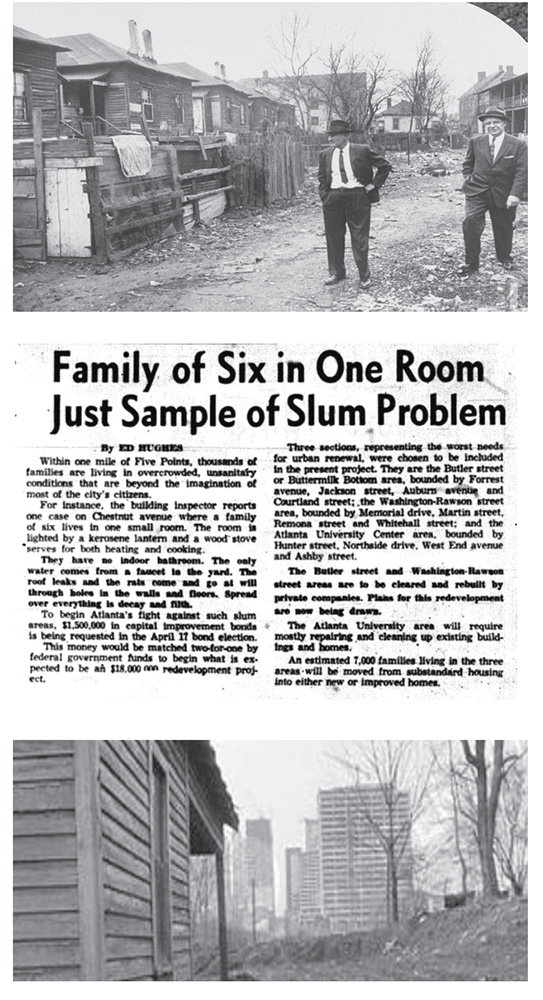
In the years after World War II, Atlanta began carving the expressway that would become the Downtown Connector along the eastern edge of its central business district. The highway split the city’s east side from its economic heart, cutting off Auburn Avenue, then one of the most prosperous Black commercial corridors in America, and the neighborhoods beyond it. In its shadow, Buttermilk Bottom began to die.
Buttermilk Bottom was a 160-acre Black community settled after the Civil War, with schools, businesses, and roots that ran deep into Atlanta’s identity. It declined economically and, in 1959, was declared a slum under Atlanta’s newly enacted Housing and Slum Clearance Code. In the name of slum clearance, the city wiped out Buttermilk Bottom, seizing homes from Black residents and promising that new affordable housing would replace it.
In 1967, instead of affordable housing, Atlanta built the Civic Center, which became a crossroads of Atlanta life. The Atlanta Opera performed there. James Brown and Prince performed there. Dr. Martin Luther King Jr. was remembered there during a meeting of the Southern Christian Leadership Conference. Atlanta mayors were inaugurated there. And generations of students, from Atlanta Public Schools, the Atlanta University Center, and Georgia State, walked across its stage to graduate.
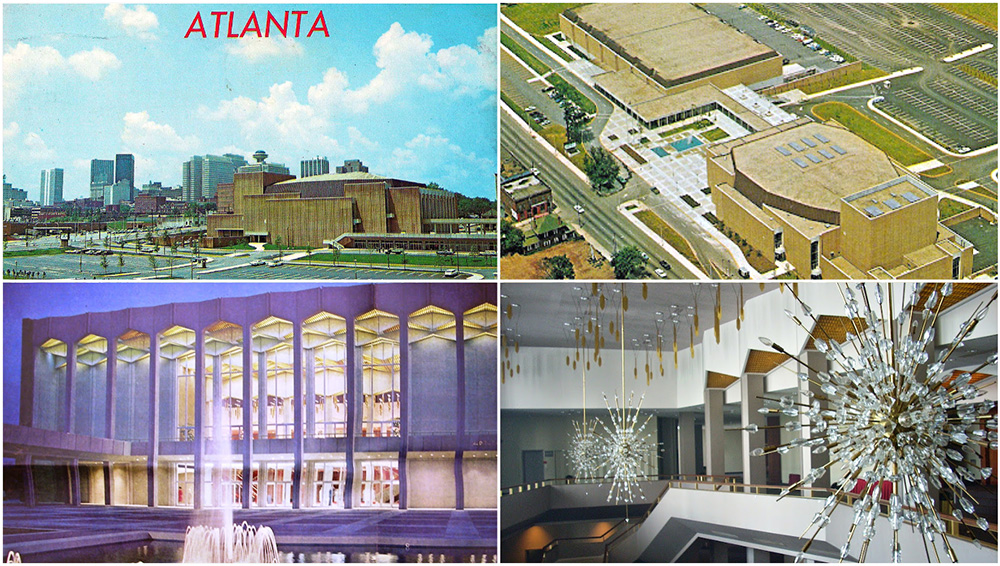
By 2014, the Civic Center was in disrepair, and the city closed it, promising a better day in the near future. A young Michael Green, a Philadelphia-born and Atlanta-built entrepreneur, decided to do something about that.
The Man
The story of Michael Green, Founder and CEO of Atlanta-based Sophy Companies, is inseparable from the incubator that Atlanta itself became for a generation of Black entrepreneurs and civic leaders.
When Michael arrived at Atlanta’s Morehouse College, he lived in a community developed by Herman J. Russell, one of the first Black developers in the country. Russell’s real estate and business ventures had helped finance the civil rights movement generations earlier. Michael met him in the hallway one day, and over time got to know him and his sons.
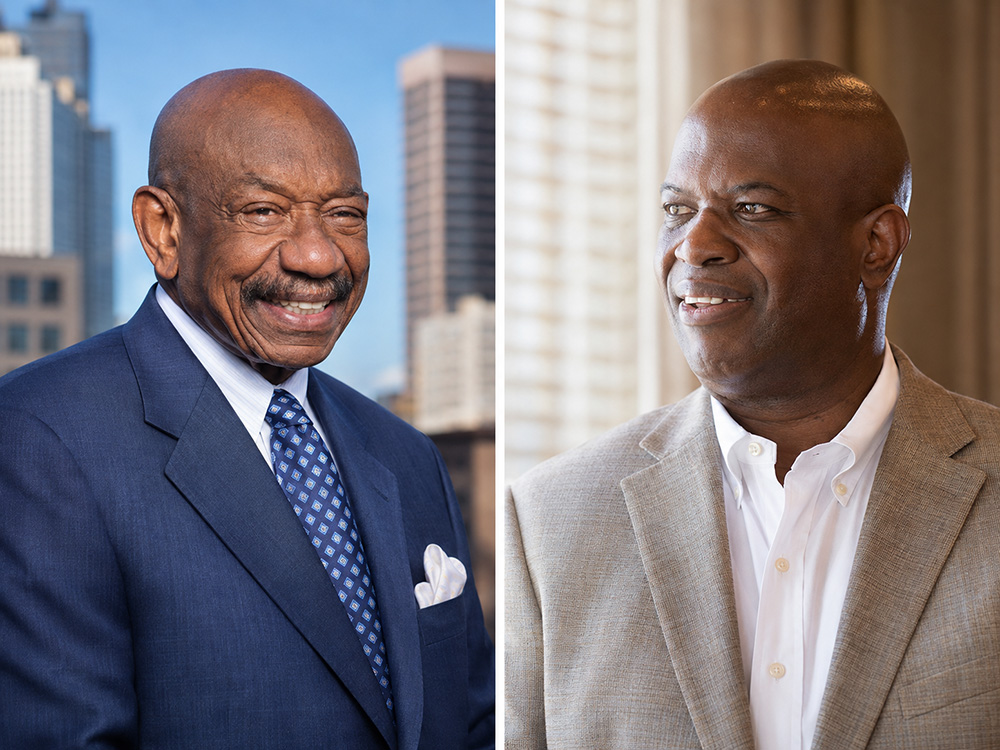
Michael never worked for Russell, but his mentor did. Noel Khalil, who had trained under Russell before starting his own firm, became the person Michael would go to as a young graduate to learn about affordable housing, to sit in on community meetings, and to watch deals get built from the ground up.
The Preparation
In 2013, just before the Atlanta Civic Center closed, Michael, now a rising real estate developer, was appointed to the board of the Atlanta-Fulton County Recreation Authority (AFCRA), which manages the city’s major sports and entertainment assets. The board seat gave him two precious gifts few young developers ever receive: an inside view of how public-sector decisions are actually made, and peer-to-peer relationships with the public officials, developers, attorneys, and financiers who made deals happen.
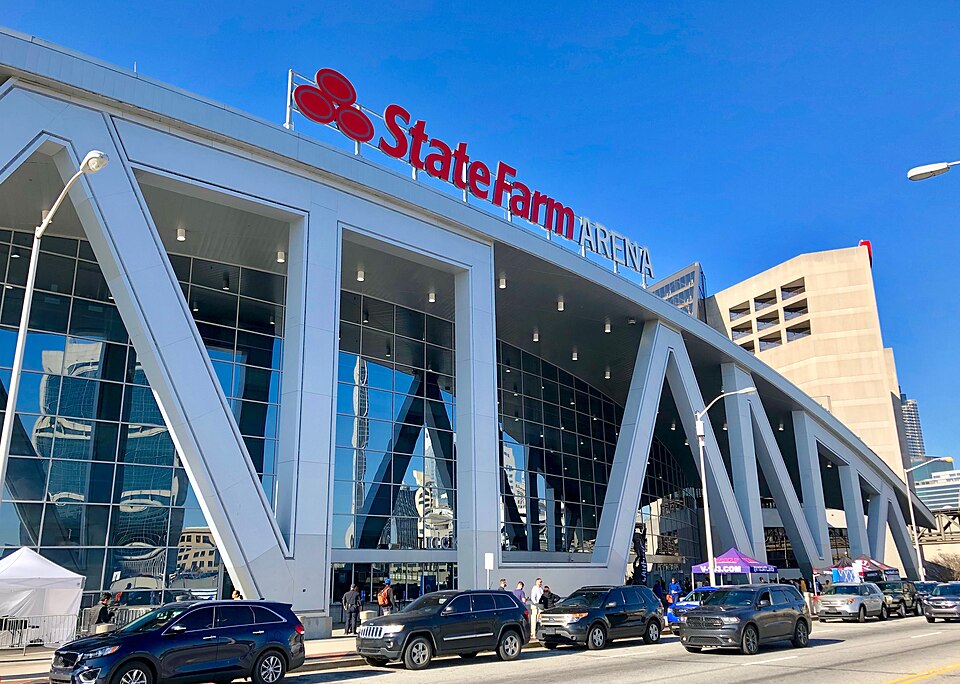
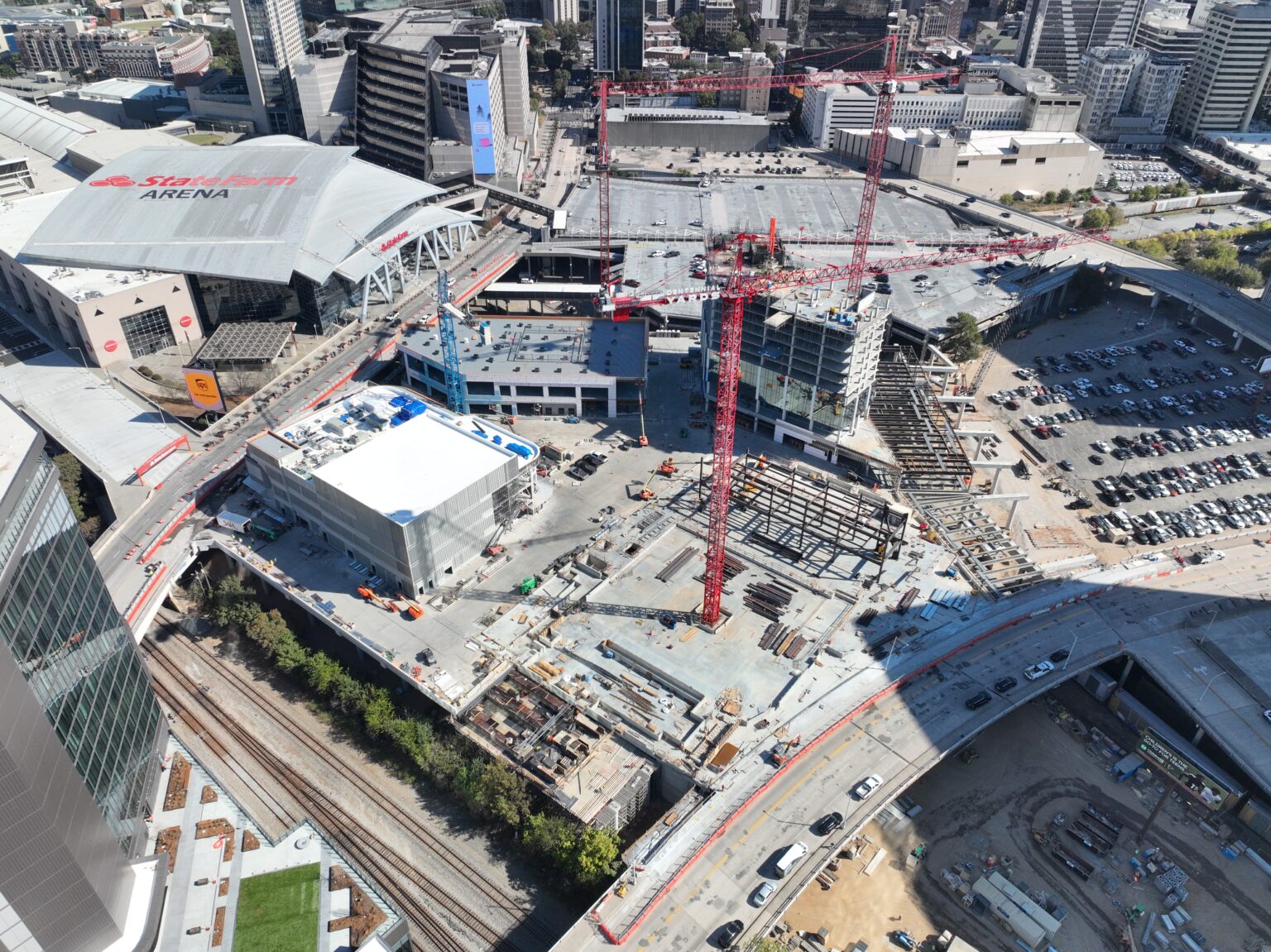
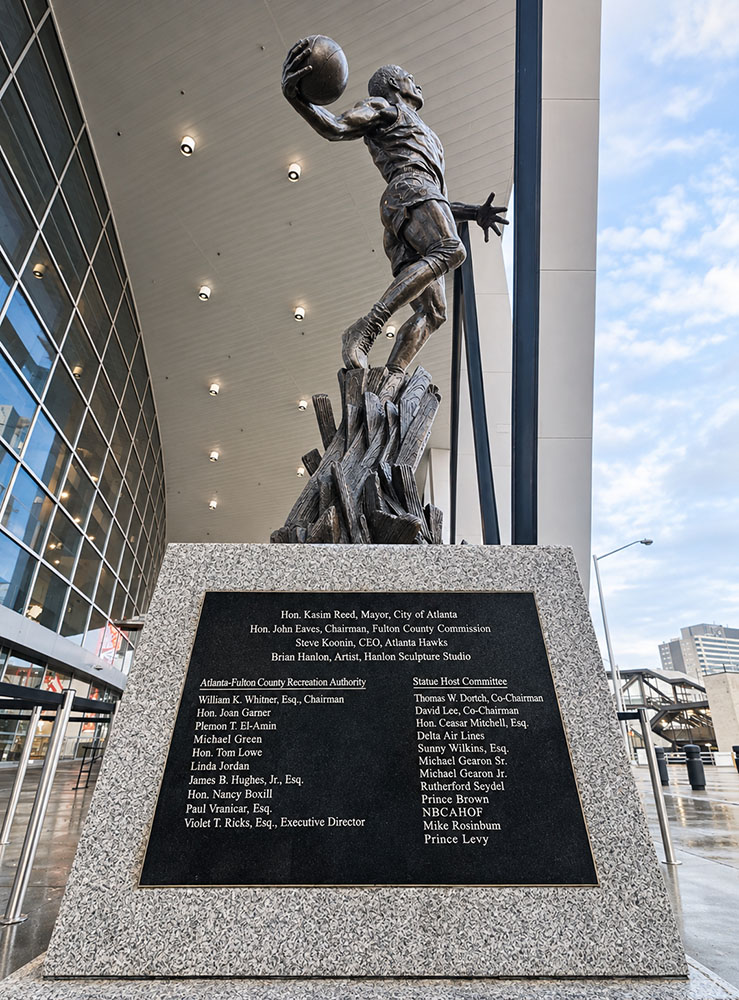
While serving as Vice Chairman and Treasurer of the Authority, he helped organize the financing of the nearly $200 million renovation of what is now State Farm Arena. He supported the Authority’s decision to sell some of its Downtown holdings in The Gulch to CIM Group, land now being transformed into Centennial Yards, the multibillion-dollar mixed-use entertainment district rising in the heart of the city.
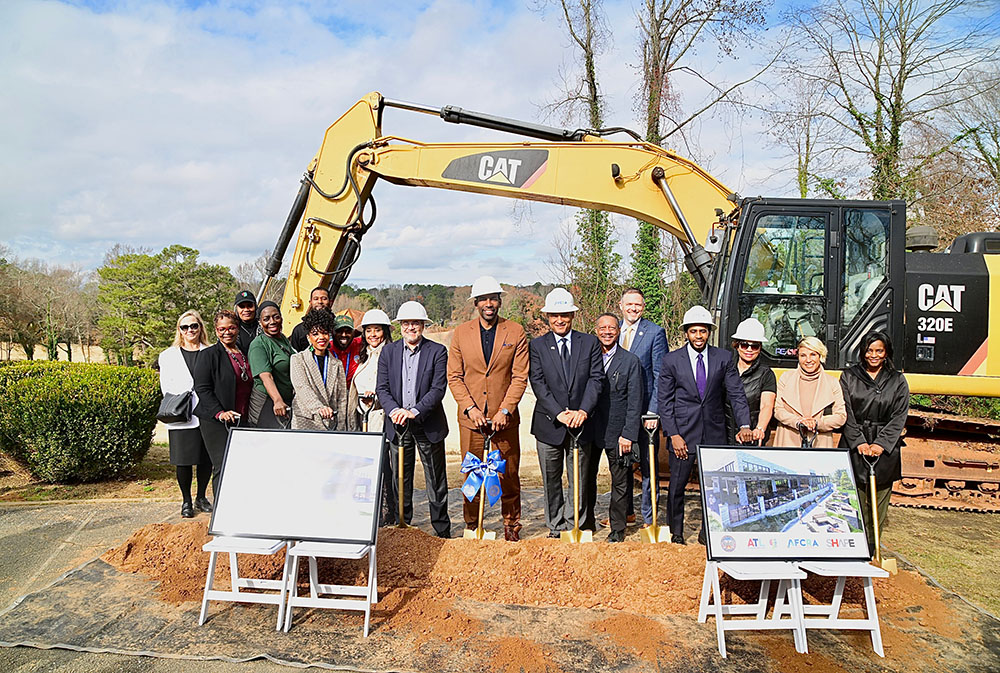
When the Braves departed Turner Field, he chaired the board’s ad hoc redevelopment committee, hosting public charrettes and funding initiatives that brought community members and the development team together to shape the site’s future. The board ultimately approved the $30 million sale of Turner Field to Georgia State University and Carter, transforming the stadium and its surrounding parking lots into what is now Summerhill. He also worked on the Zoo Atlanta expansion and its companion project, Grant Park Gateway — a parking deck built into the hillside of historic Grant Park, whose green roof is itself a public park.
An Audacious Vision
When the Civic Center came up as a development opportunity, Michael was turning thirty, with a handful of apartment communities to his name. He saw an opportunity to lead a redevelopment at the nexus of the Old Fourth Ward, Midtown, and Downtown Atlanta. It was the kind of site that comes along once in a generation.
“Who are you and what have you done?” people asked.
They were asking about his past. He only had a future to offer.
“I respected the question,” Michael says. “Experience matters. But I believed the strength of the vision and the work behind it deserved equal consideration, and I intended to prove it.” Somehow, he told himself, he was going to bring the Civic Center back to life.
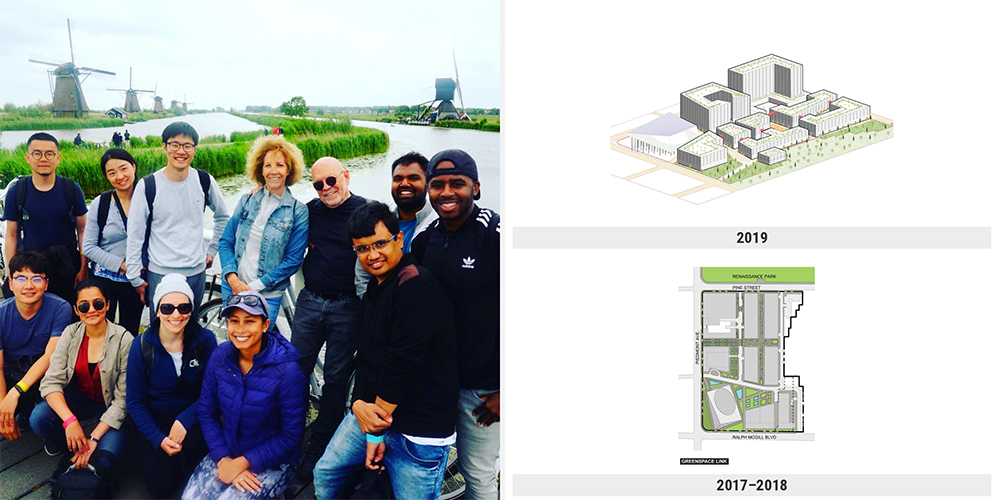
While in graduate school at Georgia Tech, Michael developed his plan and business case for the development proposal. The Civic Center eventually became his thesis project, during which he developed the vision and worked with his classmates and professors, as well as architects and engineers, to fine-tune his plan and pitch.
When he presented it to then-Mayor Kasim Reed and Catherine Buell, then CEO of Atlanta’s public housing authority (Atlanta Housing), they embraced his vision. Public projects do not survive on a developer’s conviction alone. They survive because someone in office decides to believe, and then someone after them decides to keep believing.
For this project, the leaders kept believing:
- Mayor Reed opened the door, giving Michael a seat at the table and making the Civic Center’s rebirth a priority of his administration.
- Buell put the housing authority behind the land, bringing in the public partner that made the affordable housing vision possible.
- Mayor Keisha Lance Bottoms kept the project moving through leadership transitions and a full rebid of the site, a moment when a less committed administration could have let it quietly fade.
- Mayor Andre Dickens brought it all home, signing the agreements, committing City funding to support housing and the renovation of the performing arts center, and championing the project from his first months in office to the present day.
- At Atlanta Housing, Terri Lee had carried the project as the City’s housing chief under Mayor Bottoms before becoming the authority’s CEO. She became the leader who turned a decade of belief into buildings and now oversees the phases still to come.
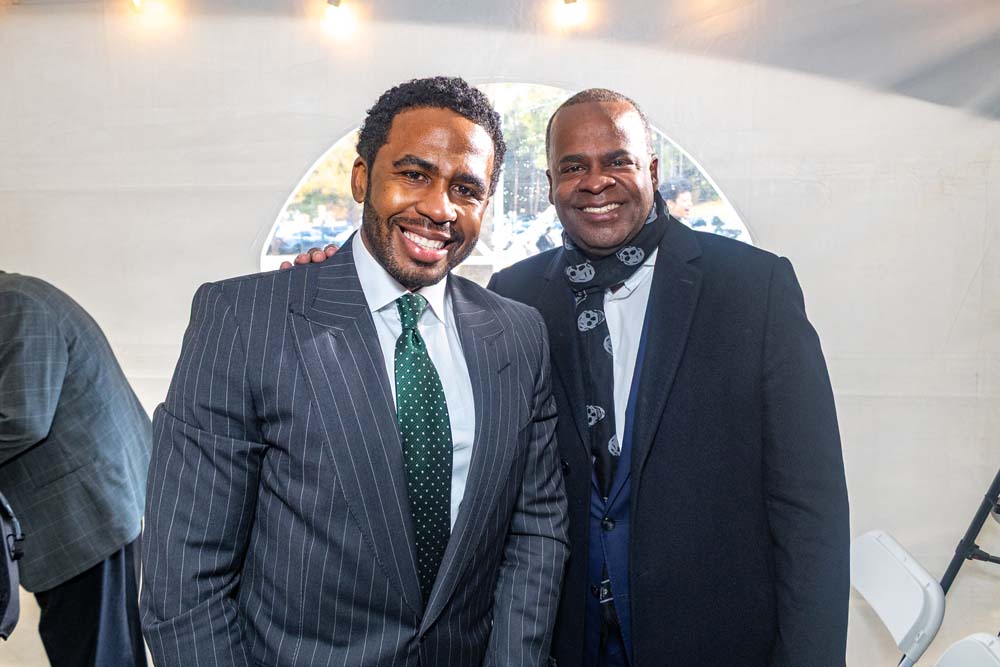
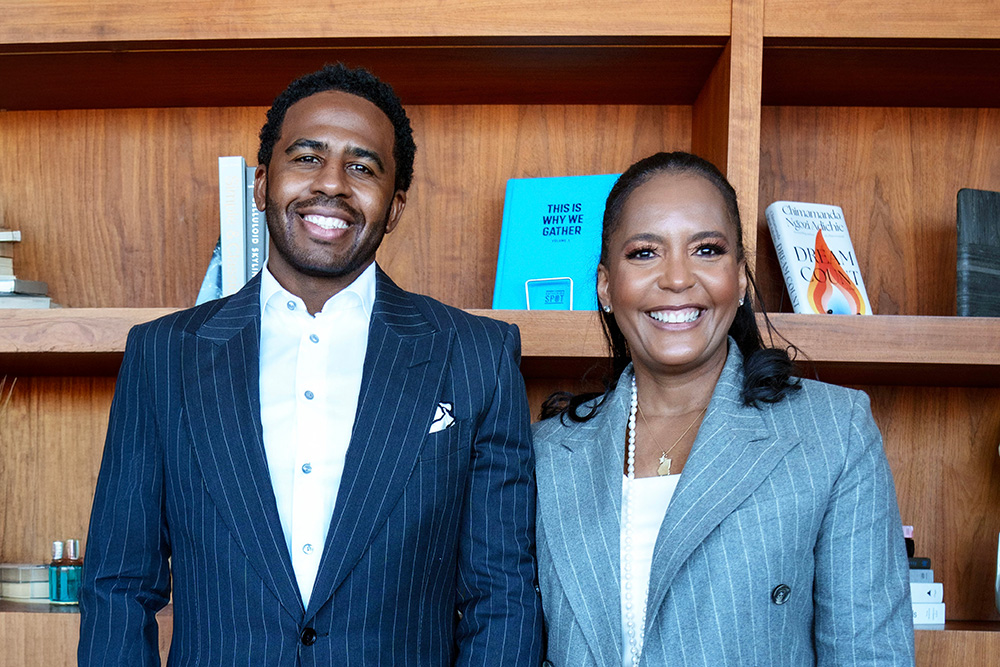
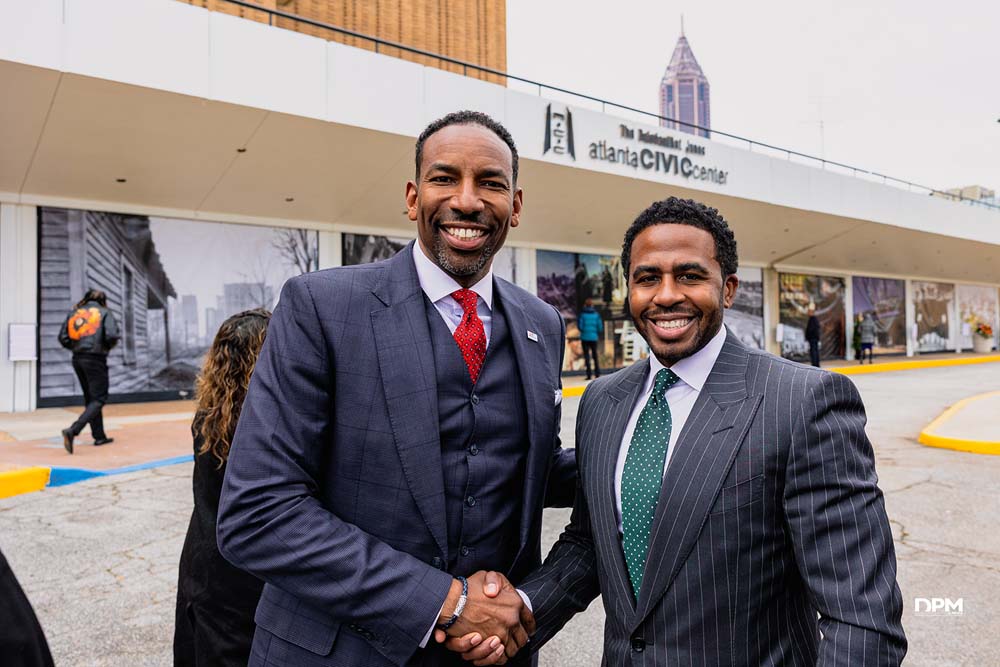
Administration after administration of public leaders believed in this project. And their belief, combined with a developer’s persistence, helped assemble over a billion dollars of public and private capital to make the project a reality.
Ten Years, One Vision
“You know, this is a large project with an orchestra full of players,” Michael says, reflecting on it later. “Getting everyone to sing from the same sheet music takes years. And then you have to hold the tune.”
As the site’s development team evolved and city leadership changed via elections, the selection process restarted more than once, and Michael had to earn his seat at the table again and again. What endured through each change in leadership was the vision itself and Michael’s willingness to keep investing in it, year after year, even as others moved on.
“When you spend ten-plus years working on a deal without making any money — just investing more time, more money, and lots of stress — it becomes painfully obvious that there are better ways to produce a return on capital,” he says. “But this city built me. Morehouse. My mentors. The people who gave me a chance when I was nobody, and the city leaders who put their own credibility on the line to bet on me. So, when the opportunity demanded a decade of my life to create something bigger than myself, I did not see a sacrifice. I saw the chance of a lifetime to give back to a city that had given me everything.”
Even as he was fighting to keep the deal alive and himself at its helm, Michael kept building his own capabilities, one credential at a time. In the decade since first pursuing the project, Michael sought every form of education and leadership development to build his capacity to complete it. He earned an MBA and a Master of Real Estate Development from Georgia Tech, pursued multiple leadership fellowships, including the Urban Land Institute’s Center for Leadership, and studied real estate law at Emory Law. This path ultimately led him to Harvard’s Graduate School of Design, where he found a new mentor in David Smith, a longtime Harvard GSD Executive Education instructor.
The Will to Believe
David Smith has spent nearly five decades working with developers, and he’s formed a view of what it takes: the will to believe. In an 1896 lecture, Harvard philosopher William James argued that certain things cannot be discovered to be possible until someone believes they are possible and acts on that belief until they become possible. Smith says the best developers have it.
“When Mike started, he had to have the will to believe that the resources could be found, if he could make his vision for the site — to add permanent value for the community — visible to others,” Smith says. “He also had to prove that he believed. Faith is a force multiplier. If he doesn’t believe, nobody believes. And the proof of his belief is years of spending his time, his money, and his personal credibility saying, ‘I’m going to make this happen.’”
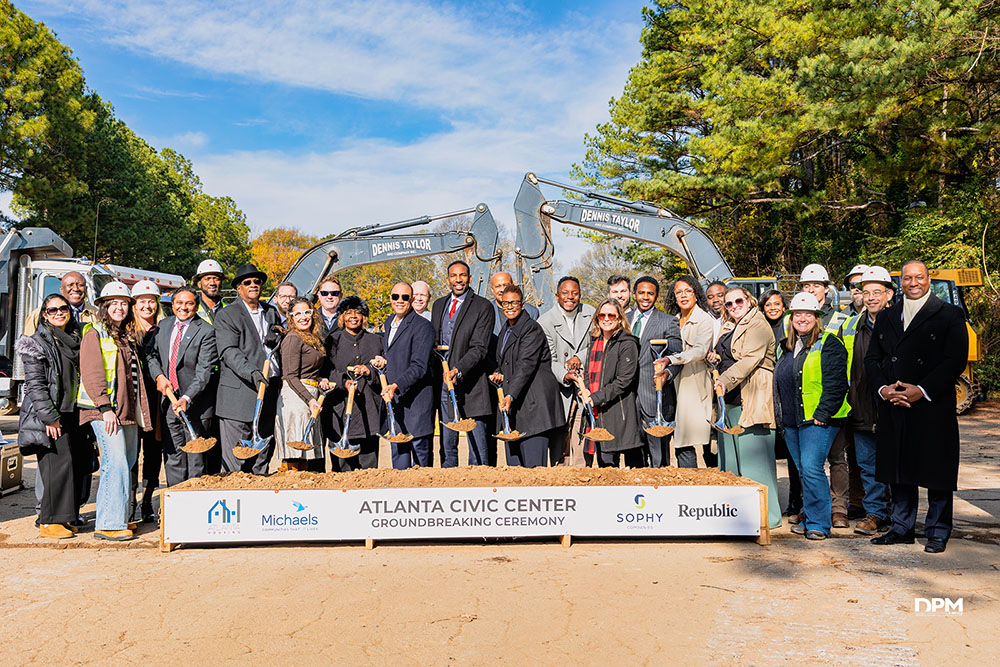
Michael also recalls discovering that for the vision to come true, it had to be more than just his vision; it had to be many people’s vision:
“You’ll go to a groundbreaking, and the developer is off to the side,” he says. “When everybody else is in the picture, that’s when you know you sold it effectively — when it’s no longer yours, and everybody else can take ownership of it.”
That ownership runs deepest close to home. Michael lives minutes from the site and participates in regular community meetings on the project’s progress. “I stand before my partners, stakeholders, and community members to account for the progress of this project,” he says. “That is a different kind of underwriting. Lenders look at your numbers. Neighbors look you in the eye.”
“Faith is a force multiplier. If he doesn’t believe, nobody believes.” — David Smith
The Advisor Between Terms
In July 2025, Michael began Harvard’s Advanced Management Development Program in Real Estate (AMDP) — a year-long program built around three intensive on-campus terms. By this point, more than a decade into his journey, he wasn’t looking for the basics. He was looking for peers and frameworks to help him take the next big step.
“I remember when I sat down and heard David’s lecture for the first time,” Michael says. “That really stood out to me. I said to myself, this is the reason why I’m here. All the experiences you have up to a point — they prepare you to be where you are. But then it’s like, ‘Okay, to get where you want to go, I need to learn how to do this from people who have actually done it.’”
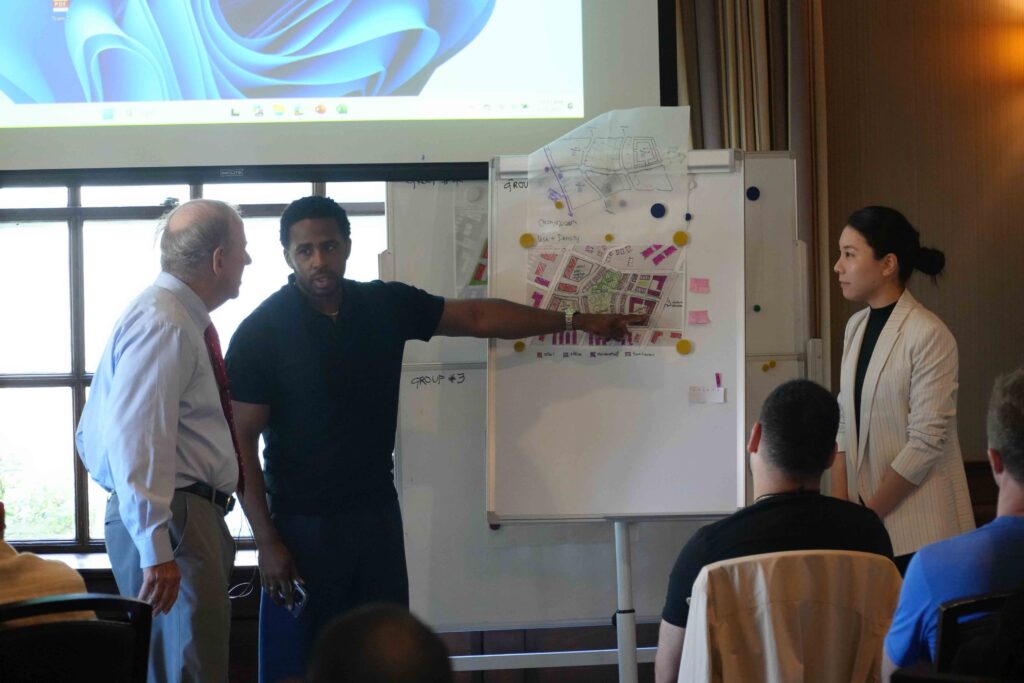
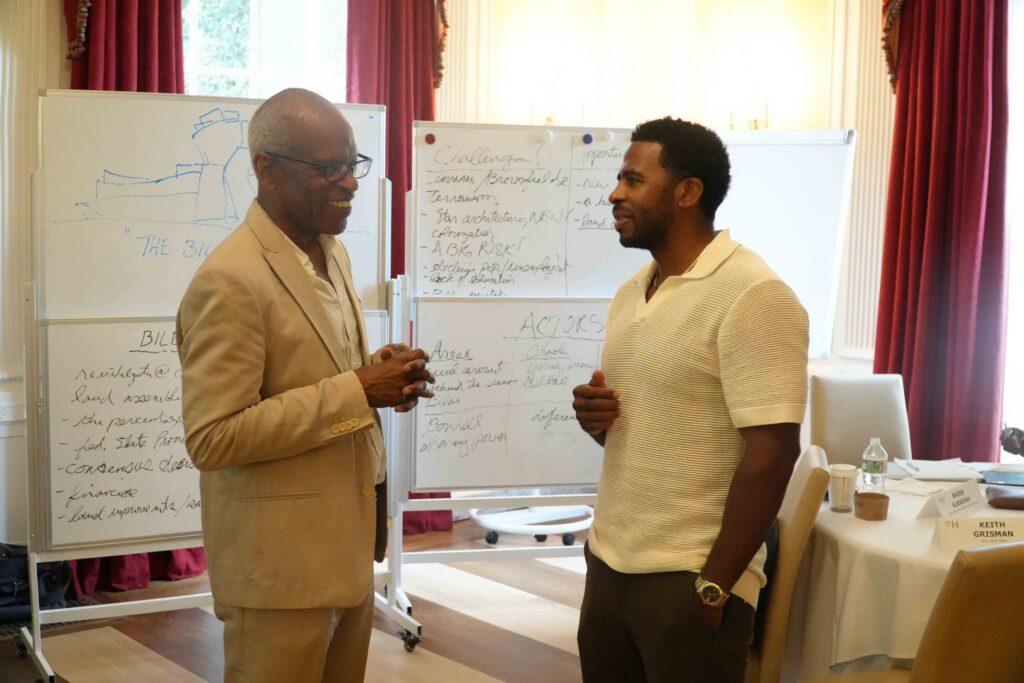
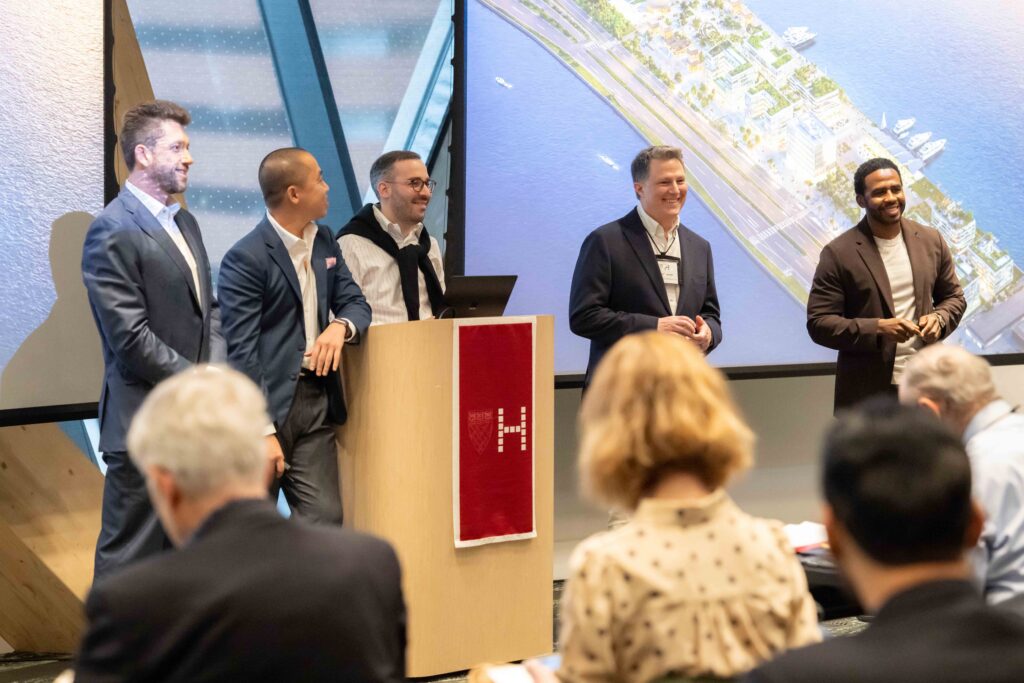
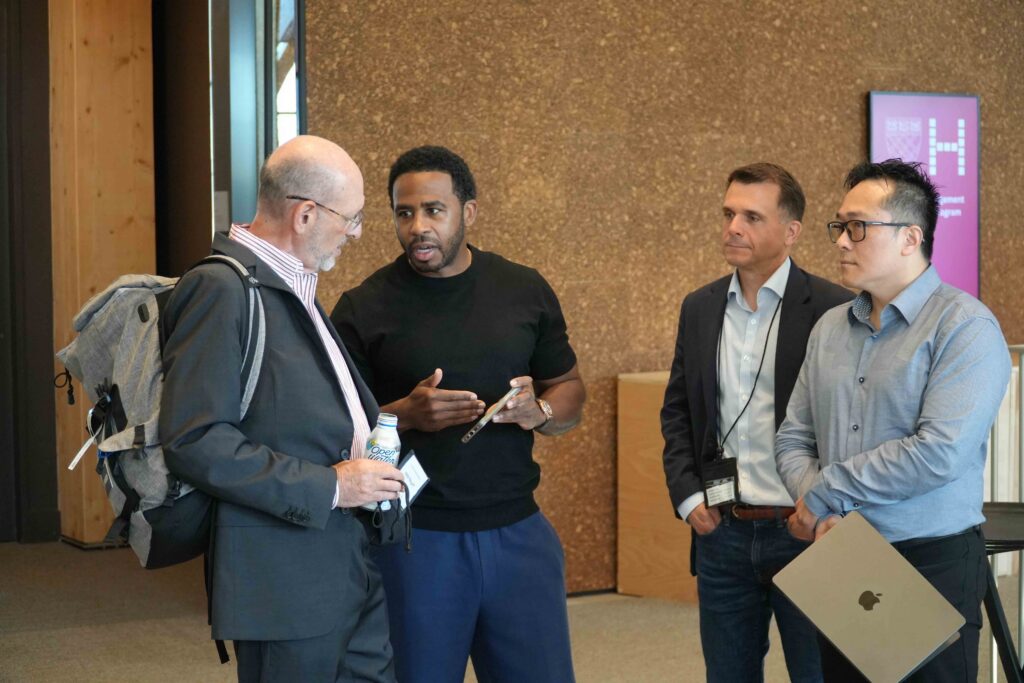
The relationship with Smith didn’t stay inside the two weeks of that first term. Over the months that followed — while Michael was back in Atlanta, pushing the Civic Center toward its December 2025 groundbreaking — Smith remained a resource he could call and pressure-test big decisions with, ahead of the program’s second term in the following March.
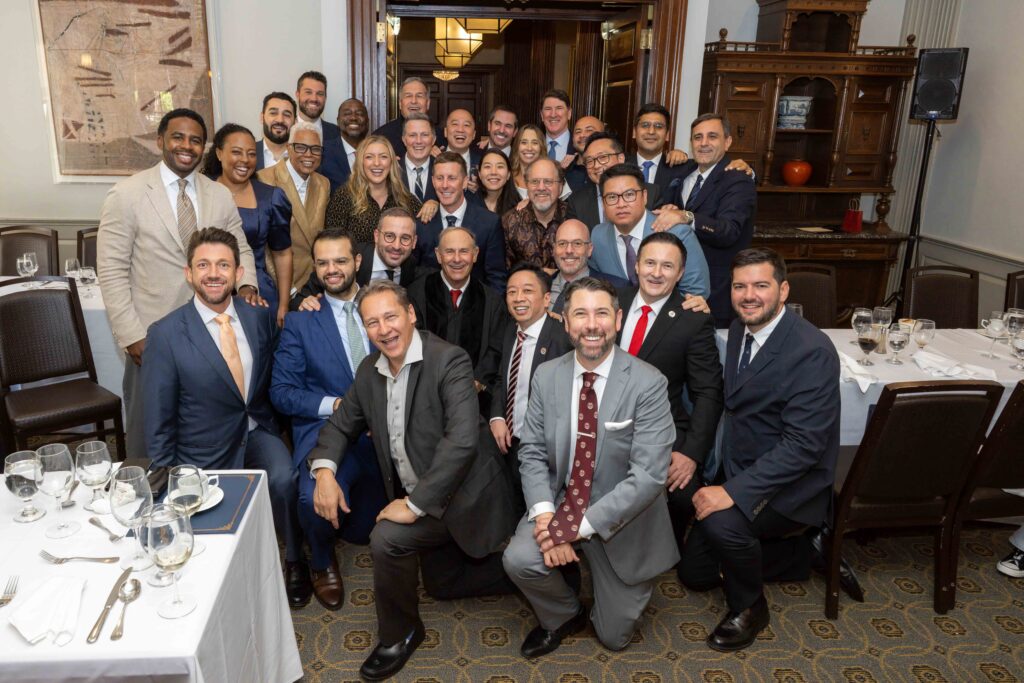
The AMDP structure creates a relationship incubator among faculty and peers that goes with participants back into the field. In fact, the months between terms are often just as consequential as the weeks on campus.
“Meeting classmates from Vietnam to Saudi Arabia and everywhere in between, doing similar things,” Michael says. “You take their experiences and learnings and apply them where you are. It’s inspiring. That’s what makes the program so dynamic.”
The Breakthrough
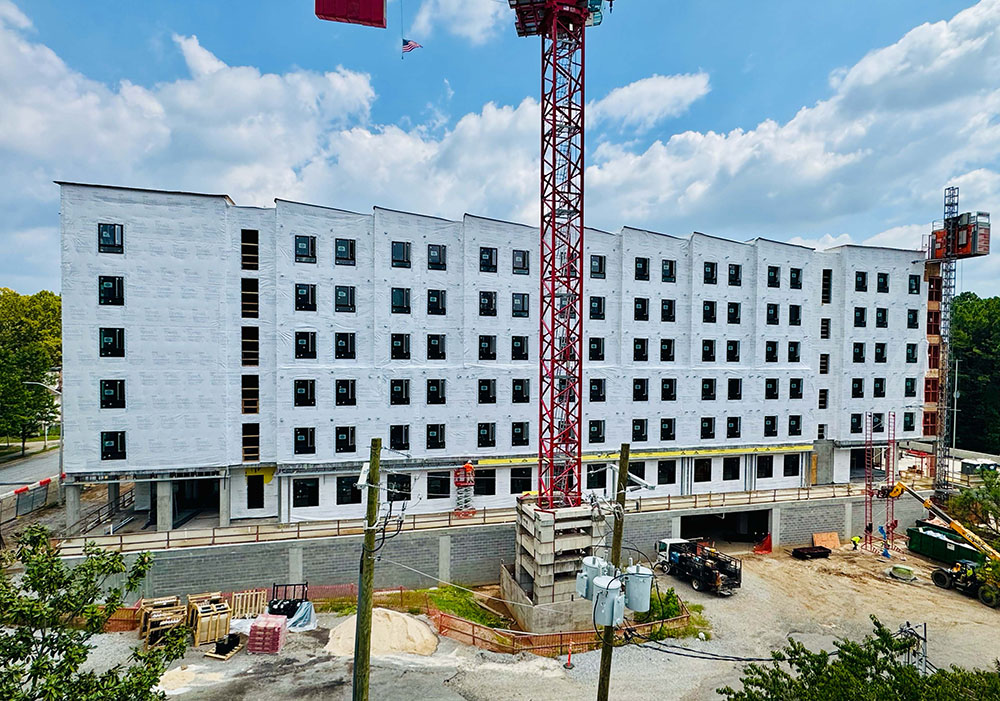
Construction began on Phase 1 of the Civic Center redevelopment in December 2025 — 148 units of affordable senior housing, on roughly one acre of a nearly twenty-acre master plan. It was the first physical proof, after more than a decade of effort, that the vision Michael had been carrying was real.
Michael is quick to spread the credit: to Atlanta Housing, whose leadership saw the vision early and whose stewardship made the partnership possible; to the City of Atlanta as a partner and champion; and to his development partners at The Michaels Organization and Republic Properties, whose national experience and resources help anchor the team. “None of this is a solo act,” he says. “Each of the partners involved carried a different portion of this vision through different seasons. My job was to bring everyone to the table, hold the vision steady, and keep the orchestra playing.”
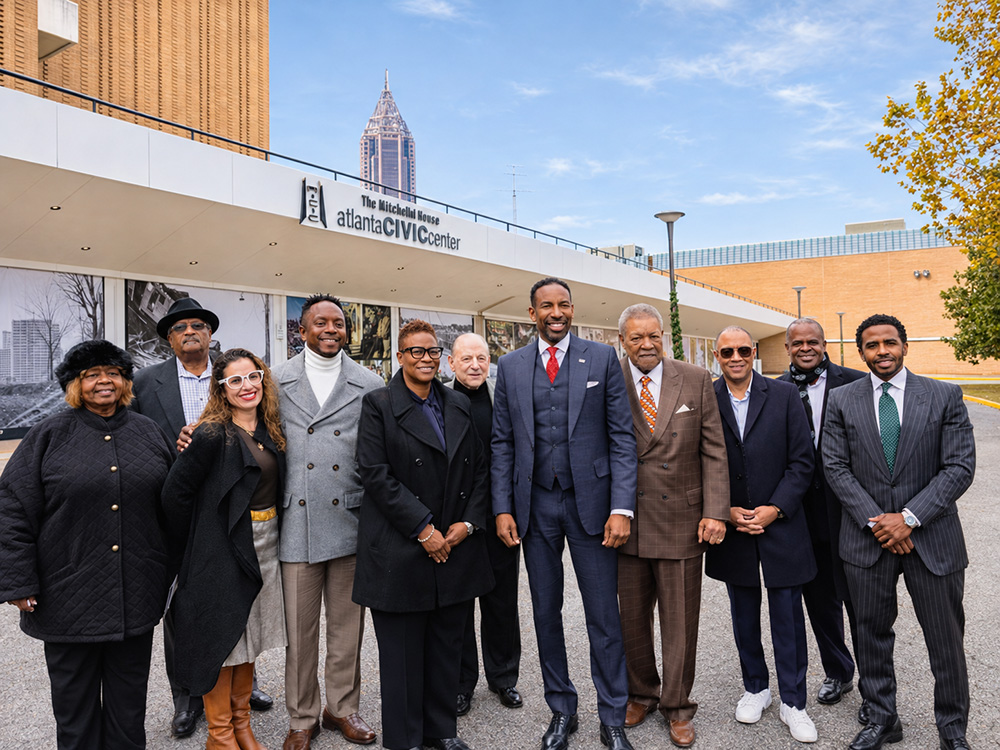
It is not the end of the story. The full plan — 1,500 to 2,000 apartments, restaurants, retail, a hotel, and a repurposed performing arts center, making this a cultural center for Atlanta — will take another decade or more to complete.
“It’s going to take another ten years plus to finish,” Michael says. “Unless, that is, David and my AMDP network can help me come up with some funding and strategies to get it done more quickly.”
The Legacy
Michael’s work is being recognized, and he’s paying it forward already. He was recently appointed to the Central Atlanta Progress Stitch Steering Committee — a civic infrastructure effort to reconnect Downtown and Midtown Atlanta. He sees the Civic Center and the Stitch not as separate projects, but as pieces of a broader platform to revitalize this part of the city.
The connection is both personal and professional. “The interstate that buried Buttermilk Bottom is the one the Stitch will bridge,” Michael says. “Our city has spent generations working around that wound. You can’t give back what was taken. But you can bridge the divide, and you can build what was promised. Here, we get to do both.”
“The Civic Center gave us a playbook: public partnership, layered capital, community trust,” he adds. “The next chapter is carrying it to other cities, because every great city has its own Buttermilk Bottom, a place where a promise was broken, and a place where one can still be kept.”
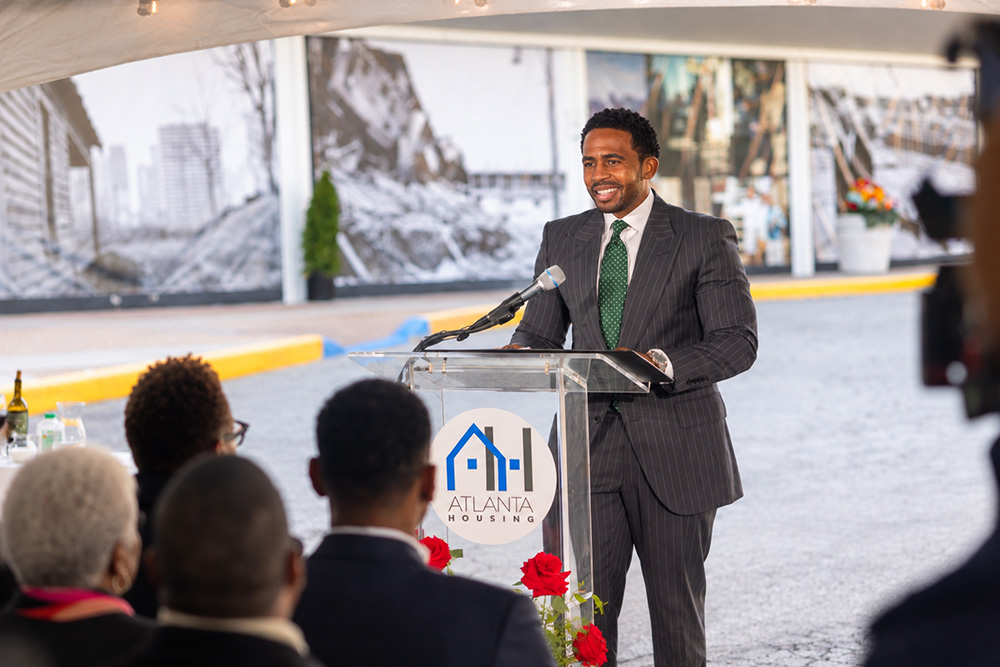
Smith sees a pattern in how Michael has operated from the beginning.
“Pick a target that’s big enough to capture the attention of high-level people,” Smith says. “Fail big rather than small. Hang around, be kind, be transparent, be persistent, and be positive. Without realizing it, you are filling up a huge reservoir of personal goodwill. To quote Reggie Jackson, you can become the straw that stirs the drink.”
Michael’s own reflection on what it took lands in a similar place.
“A dream has to be big enough to be worth the effort,” he says, “because it will take longer, be harder, and cost more than you can imagine. You will lose parts of yourself along the way, but that loss is the pruning, and the pruning is what makes you stronger.”
“Profit is a necessity,” Smith says. “But the Purpose is enduring impact. Mike is the golden thread in this story.”
Cities Can Change
Our mission is to educate leaders to build smarter, healthier, greener, more beautiful, and overall better cities. But some things cannot be taught. Perseverance cannot be taught. The will to believe cannot be taught. What our programs can do is meet those qualities where they already exist, giving the person who has them the frameworks, peers, and networks that can support their ambition. If Michael’s story shows anything, it’s that grit and determination are key qualities of civic leaders and developers.
Successful civic developers commit to earning, room by room, strangers’ trust in a vision that doesn’t yet exist anywhere but in their own heads.
Most people will not do that. Michael Green shows what it looks like when someone does, and when a person of rare resolve and great determination is given the resources to grow.
Ask Michael how he wants the Civic Center remembered in twenty years, and the answer has little to do with typical real estate metrics. “As the place where Atlanta kept a promise it once broke,” he says. “Seniors aging in place with dignity. Families of every background and every income raising their children side by side. A packed house on a Saturday night, on a stage worthy of the sound this city gave the world. A community whole enough that no one has to be moved out for someone else to move in. When that happens, the promise will finally be kept. And the vision I carried for more than a decade will become home to someone I’ll never know.”
Advanced Management Development Program in Real Estate (AMDP)
July 2027 – July 2028 | On Campus
Class 27 (returning) and Class 28 (new)
Michael Green is the Founder and CEO of Sophy Companies and lead partner in the redevelopment of the Atlanta Civic Center, and a Class 26 alumnus of the Advanced Management Development Program in Real Estate (AMDP). David Smith is a longtime instructor in Harvard GSD Executive Education’s real estate programs. This is the third piece in Building for Communities, a three-part series. Read Part 1: The Case for Affordable Housing as Civic Infrastructure and Part 2: The Principles Behind Great Real Estate Development.