
Buses, Buildings, and Better Cities: A Transit CEO’s Route to the AMDP
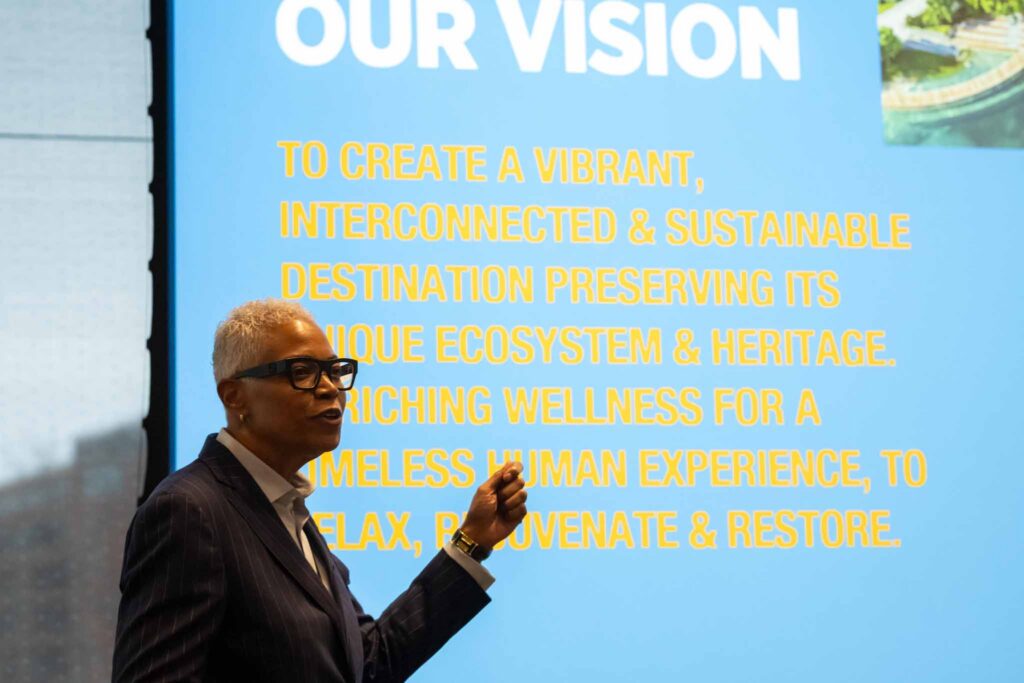
Real estate and transit shape the same streets and neighborhoods, but it’s rare for people who understand one world to be fluent in the other. Wanting to bridge that gap, Charlotte Shaw—Executive Director/CEO of the Birmingham‑Jefferson County Transit Authority (BJCTA)—decided to build on her experience in The Walkable City program in 2024 and apply to the Advanced Management Development Program in Real Estate (AMDP) as a member of Class 26.
She had previously been the transit voice invited into development conversations late in the process, so she wanted to understand how those projects were conceived and financed from the start. That led her to The Walkable City, where she was inspired as George Proakis and Jeff Speck described how coordinated investment, design, and policy had revitalized a particular neighborhood.
“The Walkable City experience opened my eyes to the broader role that real estate development plays in shaping communities, and it motivated me to pursue the AMDP to better understand the financial, strategic, and operational aspects of development.”
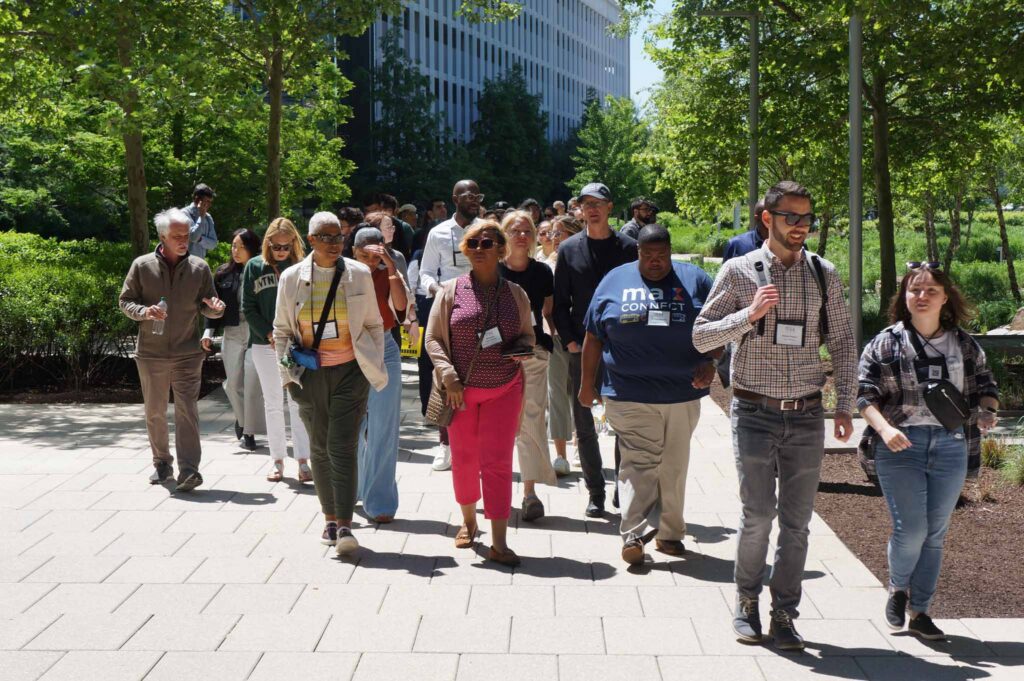
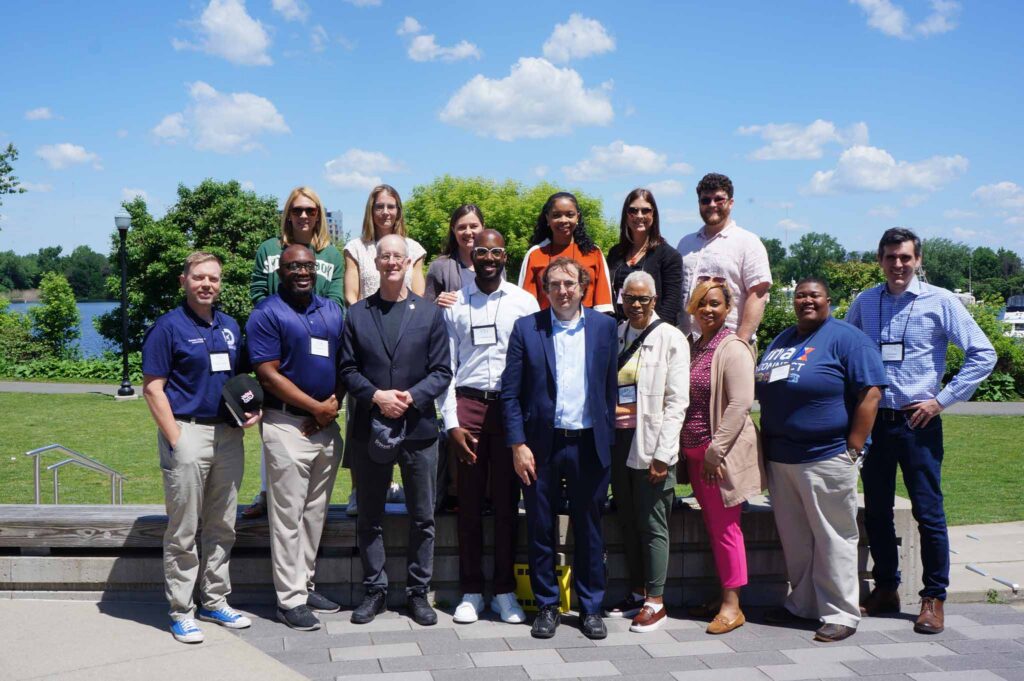
As Charlotte approaches her final AMDP term in the coming weeks, she has been reflecting on three common misconceptions among transportation leaders and developers—and how they’ve changed for her.
Myth 1: “Real estate people only care about returns.”
Coming from the public sector, Charlotte expected the classroom conversations to focus almost exclusively on numbers. “Entering the AMDP, I assumed many of the conversations would focus primarily on returns, deal structures, and the financial upside of development,” she says.
What she actually encountered was broader. “I was genuinely surprised by how much passion there was for quality housing, neighborhood design, green space, retail and services, and creating communities that work for a broad range of people.”
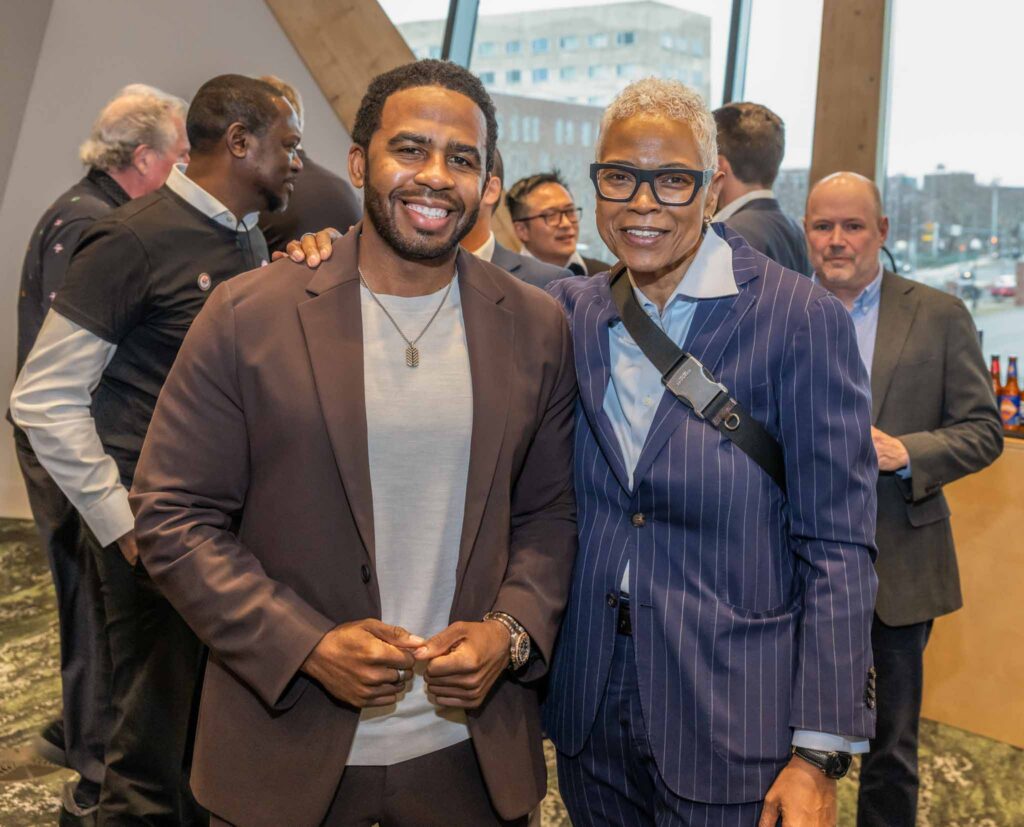
For Charlotte, that mix of perspectives—developers, investors, public‑sector leaders, and design professionals from different countries—was as important as the case material itself. The collisions between those viewpoints are built into the AMDP’s case‑based curriculum and project work, and they reshaped how she thinks about the people sitting across the table from her in Birmingham.
Myth 2: “Transit is a barrier to development.”
With a career rooted in transportation, Charlotte expected many of her AMDP peers—especially private‑sector developers—to see transit as a secondary issue, or even as something that complicated their projects. She was often the only transportation voice in the room.
“I expected public transit to be viewed as a secondary issue—or even as a barrier to development,” she says. “Instead, many of them saw it as an enhancement and an important part of economic development.”
That perspective reinforced her core belief that transportation “is essential infrastructure that can support vibrant communities, improve accessibility, reduce congestion, and create alternatives to large parking‑heavy developments.”
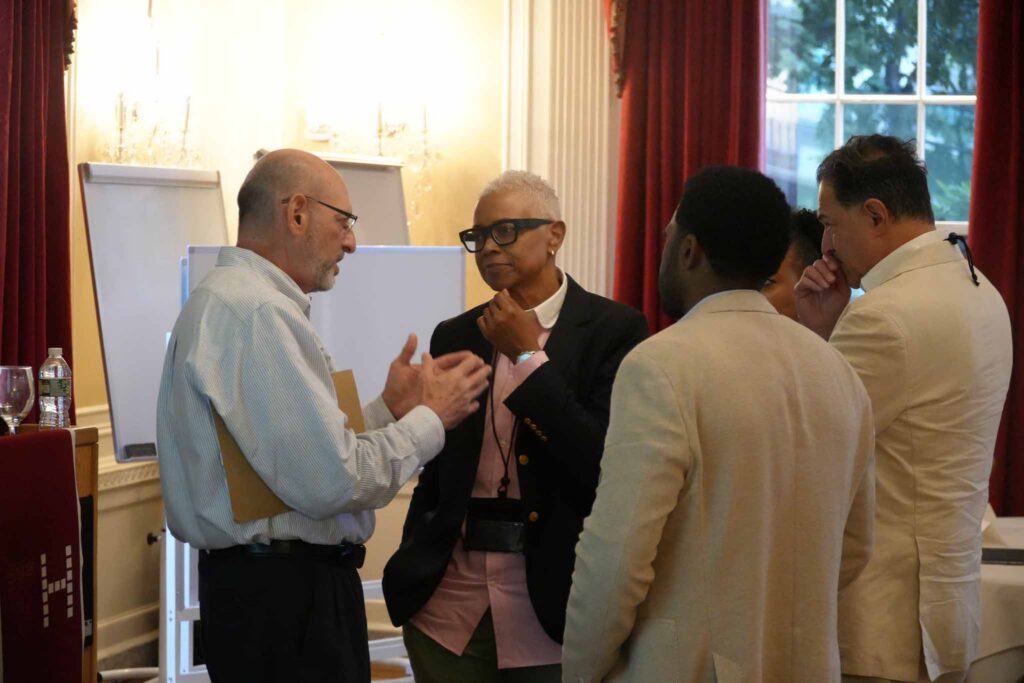
What encouraged her most was hearing investors and developers talk about transit‑oriented development in terms that went beyond density and zoning.
“I was excited to see investors and developers view transit-oriented development (TOD) as more than a development strategy, but as a tool to expand opportunity and create places where people can spend more time living, working, and thriving.”
For Charlotte, that alignment confirmed that AMDP is not just about teaching participants how to make projects work financially—it is about helping them see transit, infrastructure, and land use as parts of the same city‑building toolkit.
Myth 3: “Transit agencies just run buses, and equitable TOD is mostly talk.”
Birmingham, in Charlotte’s words, is a city with strong institutions, a rich history, and “tremendous potential”—but one that has not yet fully realized what it can become. Many corridors and neighborhoods have seen years of underinvestment and disconnection from opportunity. In that context, it would be easy to treat BJCTA as simply a service provider.
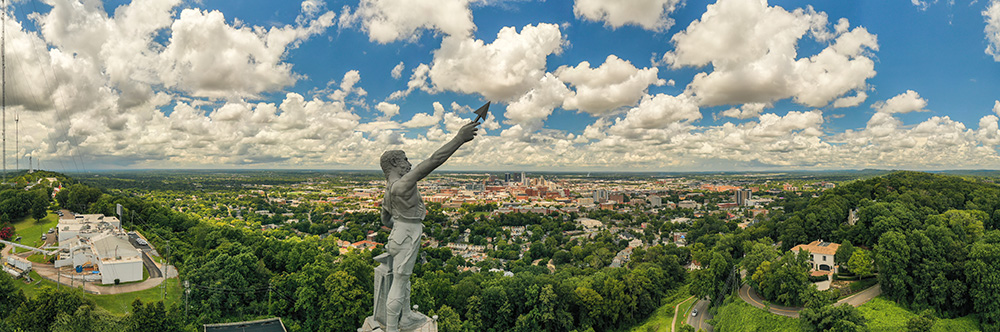
Public agencies are often expected to keep the buses running while others make the big land‑use and investment decisions. Charlotte sees something different.
“Public transit in Birmingham is not just about moving people from one place to another,” she says. “It can also serve as a platform for urban revitalization, economic mobility, and more connected community development.”
Under her leadership, BJCTA has focused on winning competitive U.S. Department of Transportation grants and advancing station‑area transit‑oriented development, with an emphasis on using transit infrastructure to anchor growth in underinvested neighborhoods—creating safer pedestrian access, improving surrounding infrastructure, and supporting walkable retail and housing.
“Too often, there are areas in Birmingham with strong potential that have been left underinvested, boarded up, or disenfranchised from opportunity. I believe transit can be part of changing that story.”
The AMDP has given her additional tools to do that work.
“The AMDP has given me a stronger understanding of the financial, strategic, and development side of how those projects come together, and I plan to use that knowledge to help rebuild communities in ways that are both economically viable and community-centered,” she explains.
That knowledge allows her to sit at the development table as a peer—able to read a pro forma, understand risk and capital, and negotiate partnerships that build equity into the way deals are structured along key transit corridors.
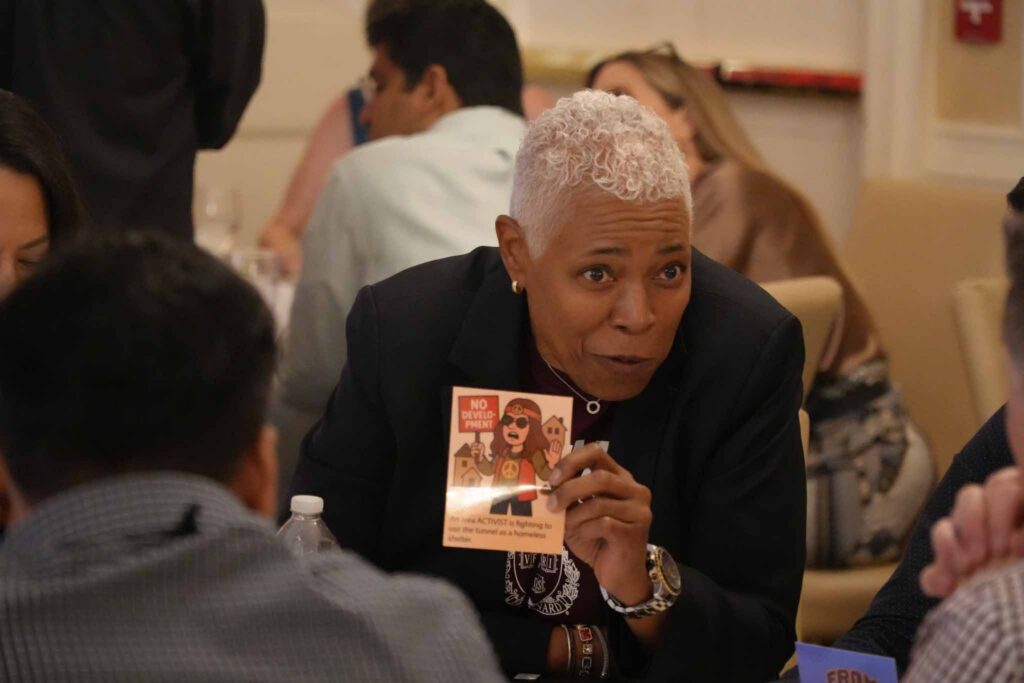
“My goal is to develop around transit that creates greater vitality, access, and long-term opportunity through housing, retail, walkable infrastructure, and mixed-use projects to build equitable communities,” she says. “More broadly, I hope to be part of the growth that pushes equitable transit-oriented development beyond theory and into action.”
Developers and Transit Leaders Are Stronger Together
Charlotte’s experience in the AMDP challenges the assumptions that real estate is only about returns, and that transit agencies simply operate buses in the background.
The goal of the AMDP is to prepare leaders to create better cities and places. Charlotte’s experience confirms there is a growing community of developers, investors, and public-sector leaders who want to co‑create more equitable, opportunity-rich cities — they just need a shared language to do so.
For her, the real lesson from the AMDP is that transit is a means of rebuilding disinvested neighborhoods and expanding economic mobility, and that real estate developers can be powerful allies in that work.