
About Me
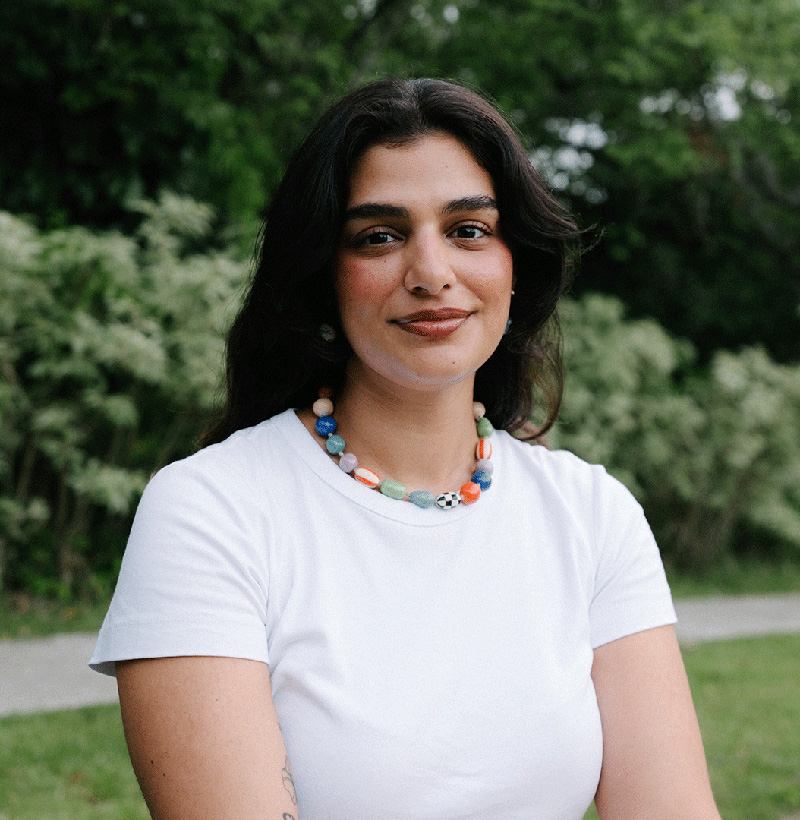
Verónica Quintero is a communications professional from Panama with 8 years of experience in strategic communications across government, diplomacy, and the private sector. She’s currently Director of Communications for the Junta Comunal de San Francisco, a local government office in Panama City, and has a digital platform focused on sustainable urbanism and people-centred cities, where her content has reached 27K+ followers and over 1.2M views in a single quarter. Through her work, she seeks to empower citizens to build a more human city designed for everyone.
Verónica Quintero

We recently caught up with Verónica following The Walkable City, her first program with us.
What motivated you to sign up for this program, and how was your experience?
I’ve been deeply influenced by the work Jeff Speck does and the ideas he has shared in his books and presentations. Being able to learn about what makes cities and areas walkable at The Walkable City program at Harvard University was definitely an experience I couldn’t pass up.
I really enjoyed how our first day was full of learning in the classroom and the second day was more practical. We were able to see how the concepts we learned about on the first day were applied in projects we saw on the second day.
As a communications professional, how do you think stories, images, and videos (like the one you made on Instagram about Jeff’s theory of walkability) can help inspire people to rethink streets and public spaces?
Communications is a fundamental aspect of human life. If people don’t know about something, they’ll fear or turn against it. It doesn’t matter if the plans we make create the best, most sustainable, and walkable cities, if there is no community engagement and clear communication on the benefits of the project, it will most likely fail.
As a non-planner, I started creating content to inspire people to rethink their streets and public spaces because that’s where I saw an opportunity to make a change. If I was not able to actively change the space around me, I could at least strive to change the minds of people by bringing them knowledge about how to make the city a better place.
During the walking tours, what stood out to you about the places we visited—and did anything surprise you compared with cities in Panama?
I was most surprised by our tour of a recent development that exemplified almost everything we’d been told about making an area walkable. It was mixed-use, close to transit and work areas, and had beautiful public spaces. In Panama, we aren’t as thoughtful about planning in our cities and towns. It taught me that no area is too small to be made walkable and dense.
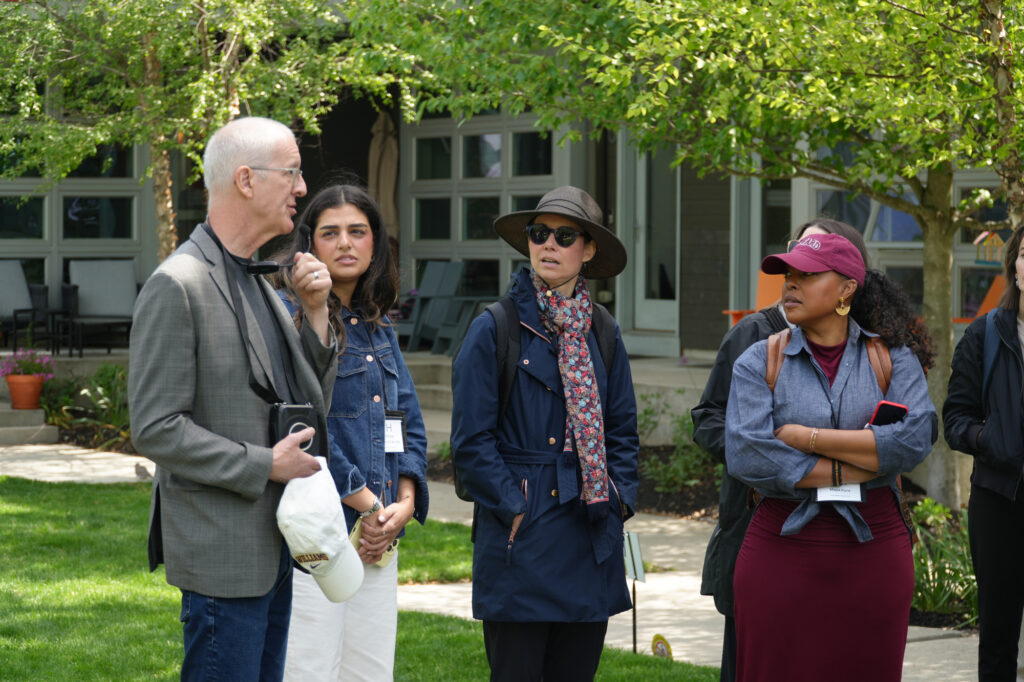
During our walking tour in Boston, I did see a sign remembering people to pick up their dog poop, so that’s just reminded me that we are all the same, wether in Boston or Panama City.
How do you see programs like this one aiding professionals who are trying to make their communities more walkable, accessible, and safe?
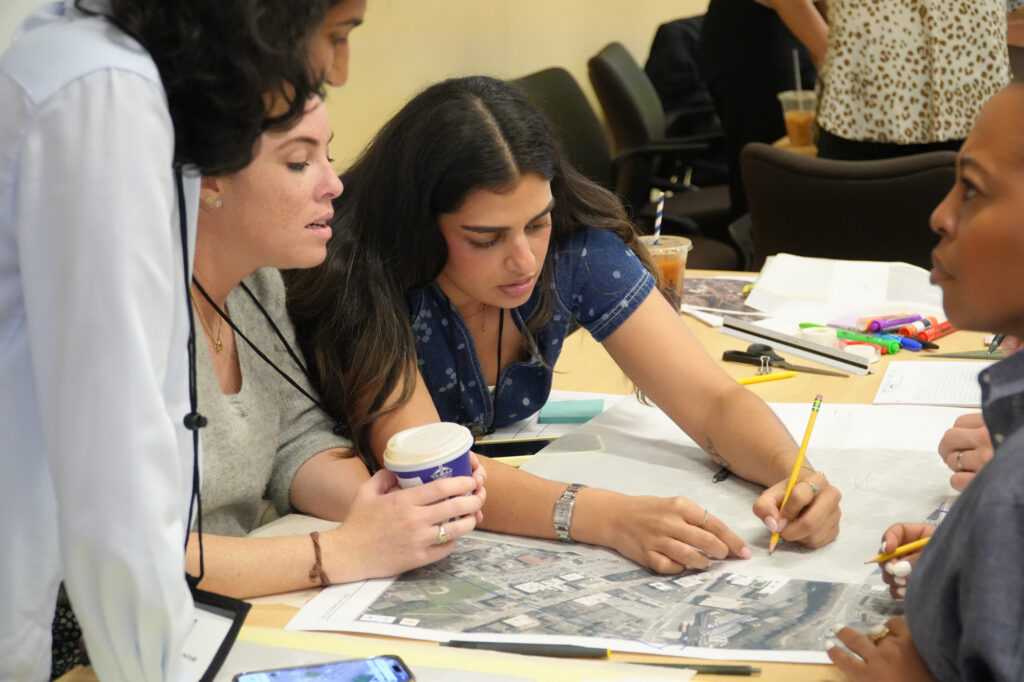
This program gives you the knowledge, the real-life examples, and even a workshop to teach us how to make our communities better. It was an all-around program that I think any professional, planner or not, can understand and learn from.
Our cities and towns can only be made better when all of the professions that work in them, planners, communicators, lawyers, social workers, decision makers, know what we’re striving towards and why.