

Affordable Housing Essentials: How to Design, Develop, & Finance Properties Growing Cities Need
This one-of-a-kind dive into what is needed to create affordable housing will equip you with the tools to create properties, programs, and policies that address this growing challenge.
Curious about what to expect when coming to campus? Please visit our Campus Learning page.
Not only is affordable housing a challenge to deliver around the world, but it is also an escalating challenge in the United States. All growing economies or urbanizing metropolitan areas create increased effective demand for housing, pushing up prices and rents. This makes shortages of affordable housing a chronic problem that can be addressed only by continuous policy and program innovation.
Meanwhile, supply restrictions such as NIMBY zoning and the complexities of urban development have opened new fissures, revealing the need for workforce housing, campus-based housing, and housing plus care services. These new pressures overtax existing resources, whether these are infrastructure, buildable land, current zoning, or available subsidies.
This program, designed for developers, financiers, investors, urban planners, architects, government officials (national, state/ provincial, or municipal/local), and real estate professionals, offers a unique look into how we can overcome persistent housing affordability challenges in the US and worldwide.
What to Expect
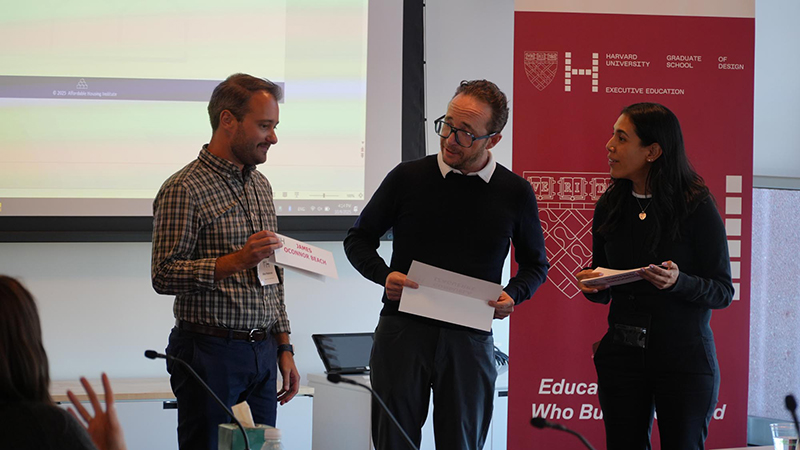
Interactive design exercises in groups

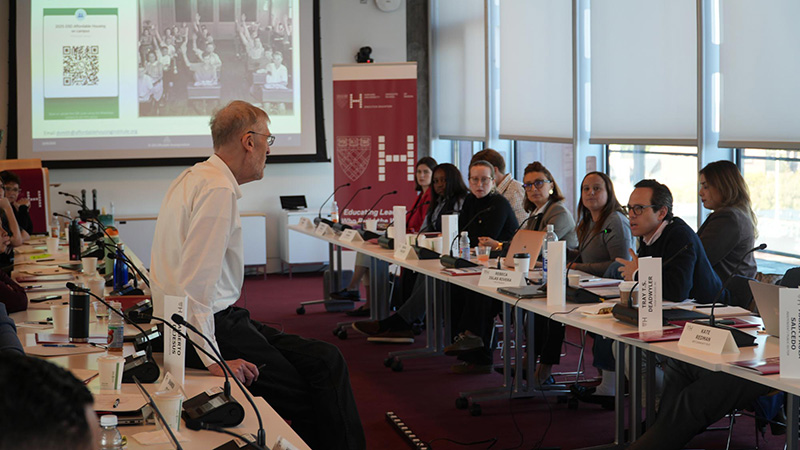
In-depth, interactive lecture and discussion
Instructors

David Smith
Founder and Chairman of the Board, Affordable Housing Institute (AHI)
David Smith on Global Housing
Participant Stories
“To every real estate developer, urban planner, policymaker, or housing advocate seeking to make a difference: this program is an essential investment in your professional growth and your capacity to drive meaningful change in your community.” – Adeniyi Tinubu


Ariam Kesete
Founder & CEO | AK Development

Tony Richards
Vice President of Equitable Business Development | MassHousing

Josh Bedarian
Chief Housing & Compliance Officer | RCAP Solutions

Paul Linet
Affordable Housing

Binetta Diallo
National Housing Finance

Gilbert Bareng
Founder & CEO | Bareng Corporation
2025 Session Participant Feedback
I had high hopes and this course is somehow exceeding those expectations.
Even for those currently working in affordable housing, this course provides novel insights, thoughtful models, and relevant tools for tackling the key challenges and opportunities that our current housing crisis demands. A fun and engaging course.
Terrific way to raise anyone’s affordable housing IQ!
This is the third course I’ve taken with Professor David Smith, and it was outstanding as always. The Affordable Housing course, in particular, was essential for me—its complex and timely subject matter is critical to understanding today’s built environment.
This Harvard GSD program has strengthened my capacity to contribute meaningfully to affordable housing development and reinforced my dedication to shaping communities where everyone has a place to call home.
As an employee at a regional public land use agency, I frequently interact with members of the public and officials who are concerned about housing affordability. This course provided important context and perspective for understanding the mechanics of affordable housing from the perspective of the developers who actually deliver these projects. I feel that the course will prove very valuable for offering counsel to public officials during affordable housing project permitting, and optimizing regulations and processes to enable much-needed housing development.
– 2025 participants in the program
Registration is now open
Affordable Housing Essentials: How to Design, Develop, & Finance Properties Growing Cities Need
September 24-25, 2026 | 9:00am – 5:00pm EST
On Campus
Tuition: $1,950 (until July 31), $2,050
CEUs: Pending
AMDP Elective Units: 2
Program size is limited and early registration is recommended. Please note this program is also offered online.
Discounts & Deadlines
To maximize the impact of this program, there is a social impact discount of 15% off the listed tuition that applies to many individuals who work in developing countries and organizations impacting housing affordability.
Please email us at [email protected] with any questions and to ask about group signup.
Registration Deadline: 24 hours before the start of the program.