
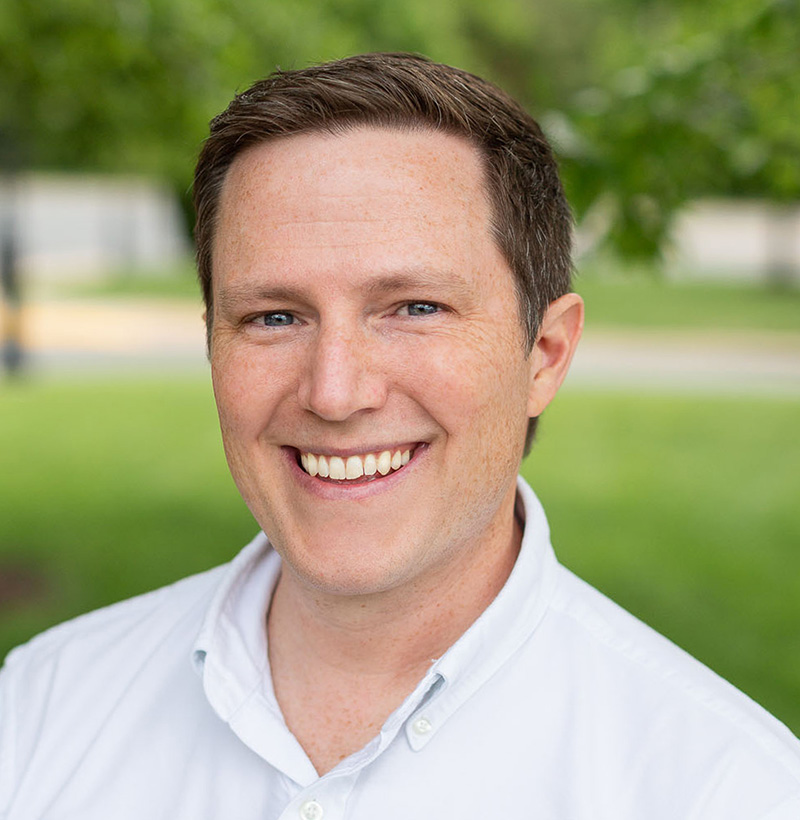
CHRISTOPHER (HUTCH) PUTNAM is a 24-year veteran of residential real estate construction and sales. Hutch is widely recognized by his colleagues and clients alike for his high standard of professional ethics, his ability to quickly interpret and manage difficult situations, his tireless enthusiasm, and creative problem solving. He has a well-earned reputation as a strong negotiator and client advocate.
Having recently relinquished the reins of his sales business, he founded the Locally Focused Investment Fund which is working to bring community-requested incremental development opportunities and evergreen businesses to small and mid-sized towns. Hutch now lives in his hometown, the DC exurb of Warrenton, VA, with his amazing wife and three young children. He is an avid fan of American football (college and pro) and frequently falls into wormholes of music, architecture, and urban design.
Christopher “Hutch” Putnam

We spoke with Hutch in late 2025, after he took The Walkable City with us in May 2025, and had his first on-campus AMDP term in July 2025. Hutch had previously taken a range of open enrollment programs with us on story-building and real estate development fundamentals and finance fundamentals.
Interview Quick Links
The Walkable City
This is the sixth open enrollment program you have taken with us, but you previously mentioned that this was the program you had always wanted to sign up for. Tell us how you learned about it.
Believe it or not, I heard about Jeff Speck’s Walkable City program while watching a video of one of his municipal presentations on YouTube. I suppose there are worse late-night YouTube rabbit-holes down which one could fall, right? At the end of one of his talks, he mentioned that he taught a class on the topic at Harvard. A quick Google search later, and there I was discovering the AMDP and how to take Jeff’s class.
Following this long wait, did the program meet your expectations?
Absolutely. Urban design has always fascinated me. Why are some places loved and frequented by many, and others desolate and languishing? What makes a location a desirable place to be? Who designs all of these things? The radius of the curb corner? The width of the sidewalk? Where to place crosswalks? Even as a kid, I realized that someone had made these decisions. But who? And why? Fast-forwarding 40 years, now as a real estate investor, broker, and developer, creating and investing in places that people naturally gravitate towards has always been the goal. The investment (whether a rental, spec build, geographic farming, new development, etc) is likely to pay off if loads of people want to be there.
So, then the question became, “What makes a place that people love?” This is where Jeff’s Theory of Walkability struck a chord. It put into words that which I had always felt but could never articulate.
Focusing on having human-scale development that encouraged and welcomed a pedestrian experience was a common denominator in all of the most wonderfully built places. Bettering (or designing) to make a place useful, safe, comfortable, and interesting seemed to me to be the lead domino in a cascading set of events that lead to the epitome of space-making, and thus strong long-term social, cultural, and financial returns.
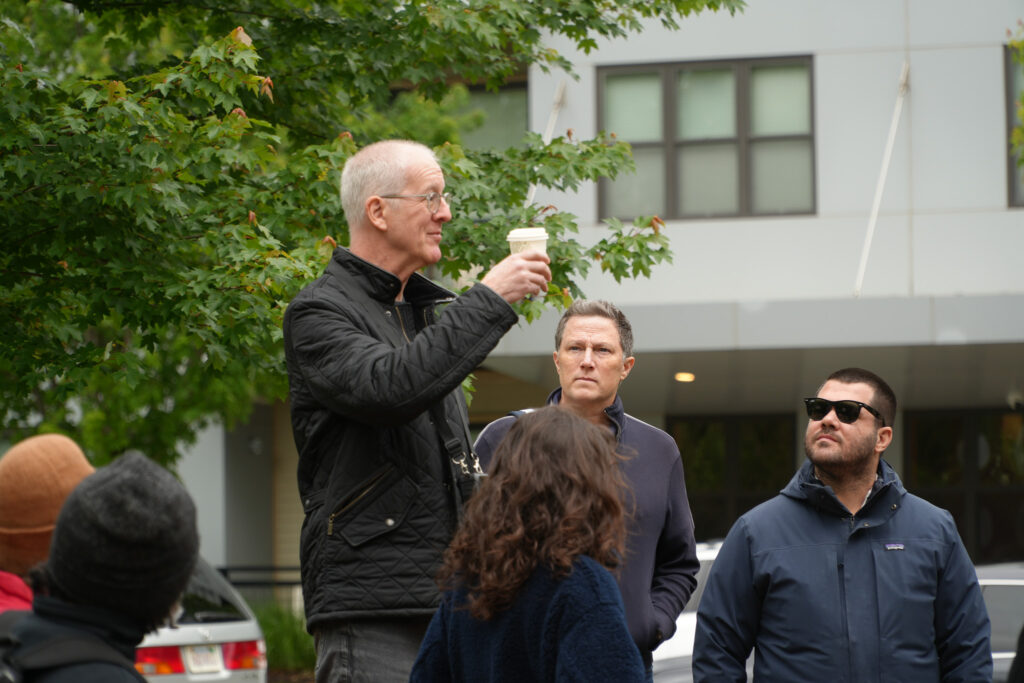
Having been well-versed in the topic and Jeff’s thoughts on the subject (from his books and videos), I was still surprised by all the nuanced nuggets of insight I was able to pick up. For those with a design background, this class will enhance your abilities. For those without a design background, it will open your eyes to the world around you. For all, it provides a common language to make our towns and cities the best they can be.
Your Background
You have been outspoken in your desire to apply what you learn in our programs for the betterment of your hometown of Warrenton (named for Boston’s own Joseph Warren), Virginia. What are the opportunities in Warrenton in the coming years?
Everywhere I turn, new developments are taking the shape of walkable Main Street communities. Although built from the ground up, these projects aim to emulate the walkability, scale, and mix of uses found in traditional Main Street communities. But this is mimicry, not mastery. Throughout the country, we have small and medium-sized towns that already possess the quaint charm and walkability of these new developments, without the need for significant infrastructure improvements. If what people love are these traditional communities (built pre-war and pre-car), rather than building them from scratch, what if we fill in the missing teeth in our existing “Old Towns?” Our fund is focused on this very strategy. I like to call it County Seat Investing, as many of the best examples of these places are the Seats of local government. My hometown, Warrenton, is one of these places.
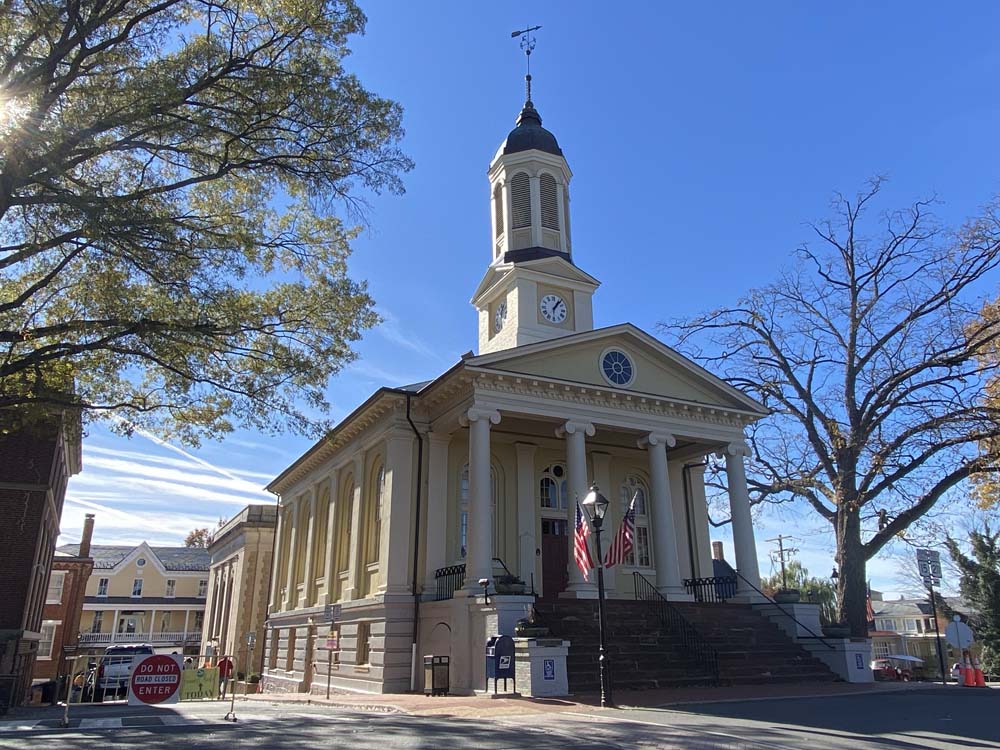
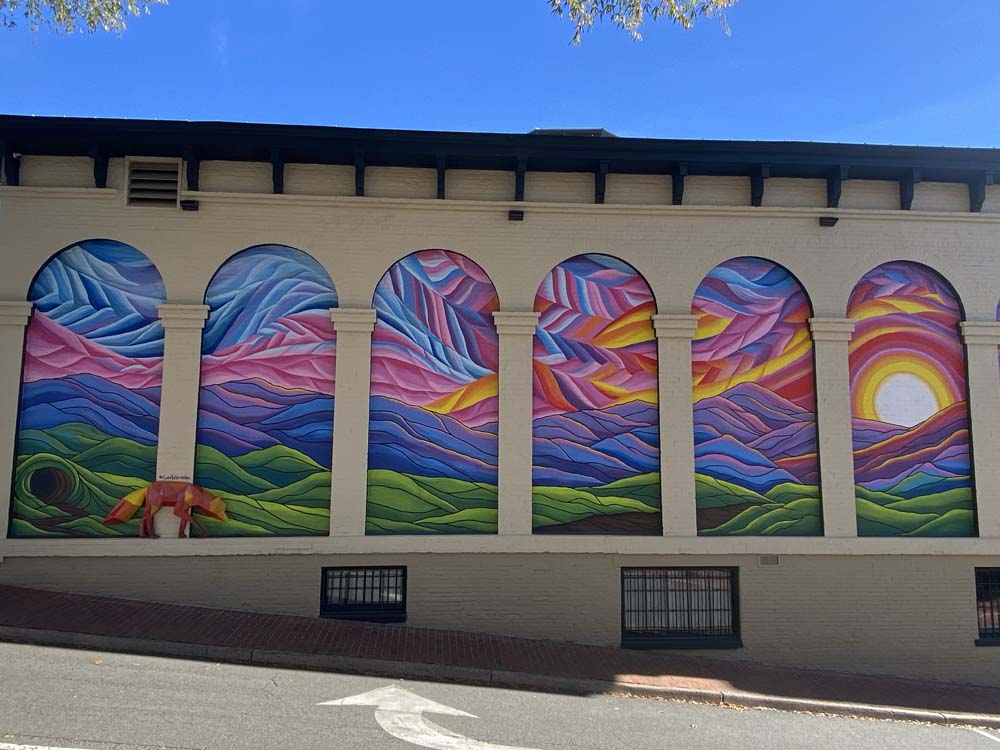

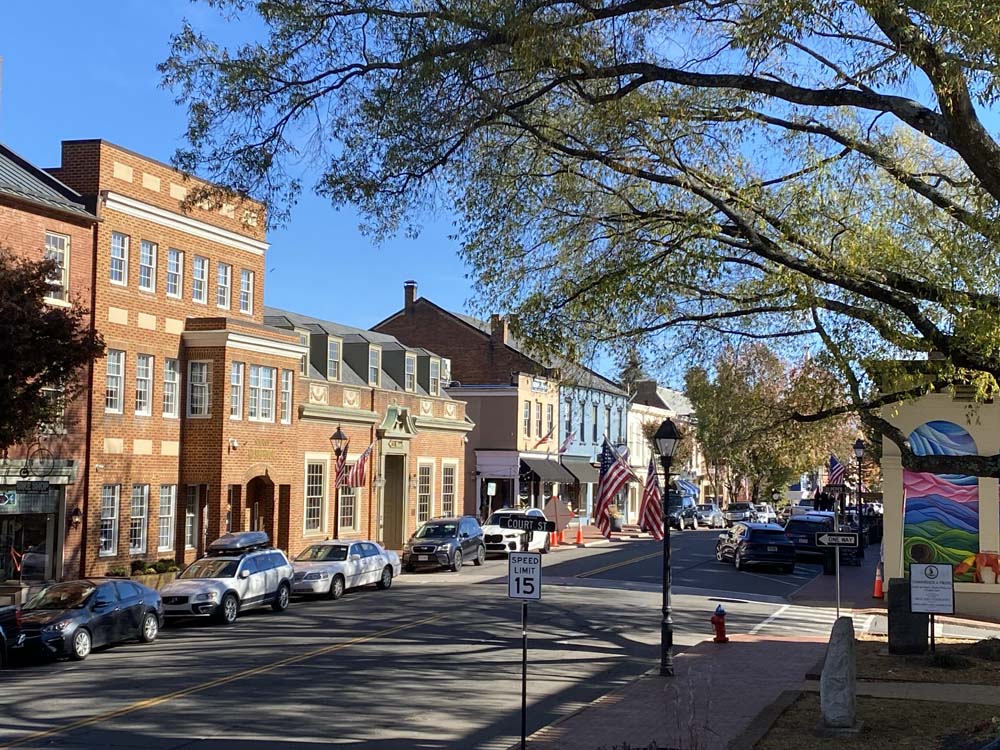
But Warrenton is not alone. The opportunities for infill development focused on the physical and financial rejuvenation of these places abound throughout the country. Sure, working in historic districts presents its own set of challenges. Yet, with a sincere and respectful approach, those challenges become barriers to entry for more contemporary developers. Hence, our strategic initiative is to revitalize and support the places where people naturally gravitate, making them the best they can be. That’s the opportunity we see. The lessons from the AMDP are helping to make this a reality and garnering the necessary support from investors, stakeholders, and town officials.
Learning at the GSD
You have taken programs with us both online and on campus. How has your experience been learning with us in these different formats?
I’ve had the good fortune to work for two large companies that were annually recognized for their training programs. I’ve seen firsthand how top-notch educators and trainers can have a profound impact on others.
The open elective classes easily met that high corporate standard to which I was accustomed. Not only were the professors/presenters obviously experts in their fields, but the support staff is also unequaled; they excel at answering questions before they even arise, and they kept everyone on pace and on time. Both the onsite and online programs were executed fantastically well.
I, personally, am partial to the interactivity the onsite classes allowed before and after classes, as well as during breaks. There’s no substitute for being in the room where it happens! But online is much easier on the calendar and budget if one dutifully engages and proactively defends against the many distractions of home and/or office.
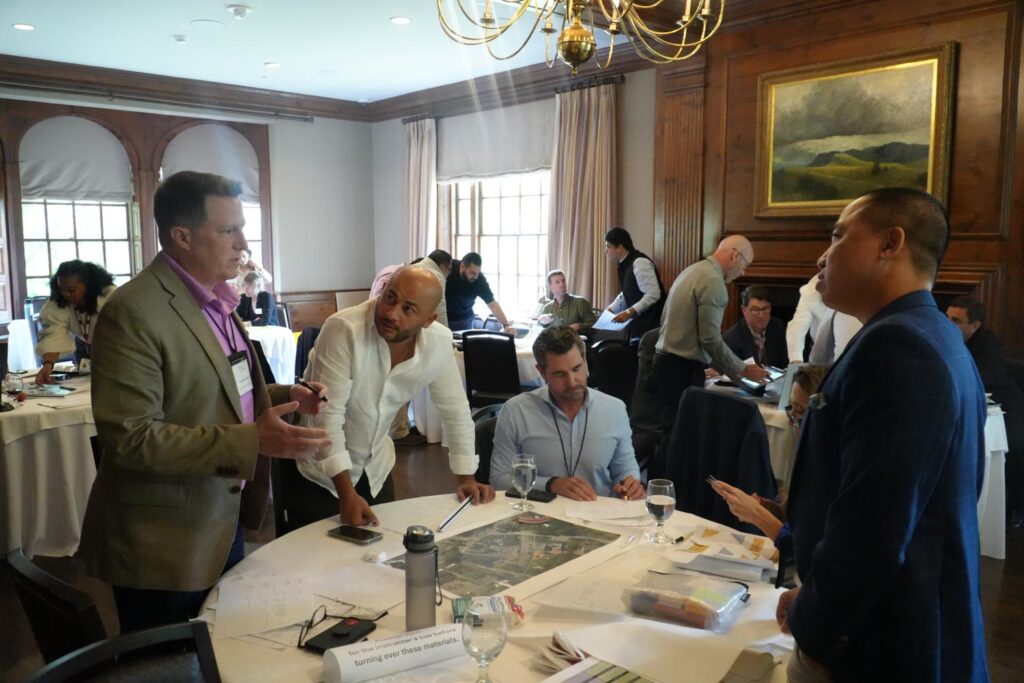
Harvard is renowned for attracting leaders from diverse backgrounds across the country and around the world. How has the range of perspectives in the classroom impacted the programs you have attended?
Nearly all my professional experiences are centered around residential real estate development, design, construction, and sales. Therefore, my perspective is shaped from this angle.
Yet, in every class, the perspectives of foreign and domestic professionals (city officials, private consultants, commercial developers, financiers, architects, and designers) always illuminate one of those blind spots in my learning. I love it.
And I’m finding that with broadened perspectives, I’m able to think through challenges from multiple angles, and thus I’m more prepared to defend my decisions and choices.
The AMDP
You were admitted to Class 26 of our Advanced Management Development Program in Real Estate (AMDP) late last year to begin as a member of Class 26 in July 2025. Congratulations! Why did you apply to AMDP?
There were myriad reasons for my application. First and foremost, I felt the curriculum would be incredibly beneficial to rounding out some blind spots in my real estate development knowledge.
Next, being in my late 40s and with responsibilities of being a husband, father, son to a mother with dementia, and numerous professional roles, the prospect of a Master’s or MBA program that required a year or two of on-campus living was just not realistic. The AMDP is truly executive education; it consolidates the time on campus and allows for significant flexibility with regard to the electives. So, it worked for my schedule.
As mentioned earlier, I was quite impressed with the organization and delivery of all the Open/Electives I had taken. If those were just the appetizer, I knew the main course would be great. Lastly, keeping’ it 100, I wanted to be associated with Harvard University. The cachet and network afforded to professionals with alumni status was enticing and is proving to be quite the solidifying buttress in raising capital. I guess you could say that the ROI made sense in many ways.
What advice do you have for other applicants for the AMDP?
Take some open courses first. Make sure this is the right fit for what you’re looking to accomplish. AMDP is a significant investment of time, energy, and financial resources. Participating firsthand in an environment like the full program seems prudent. Also, be sure to make the most of your time on campus by being fully present during those days. Relay to family, friends, co-workers, and clients that you will be out of reach. You will want to participate fully, drink deeply from the firehose of information, and interact socially as much as possible to get the most out of the program.
You just had your first AMDP term — how was it?
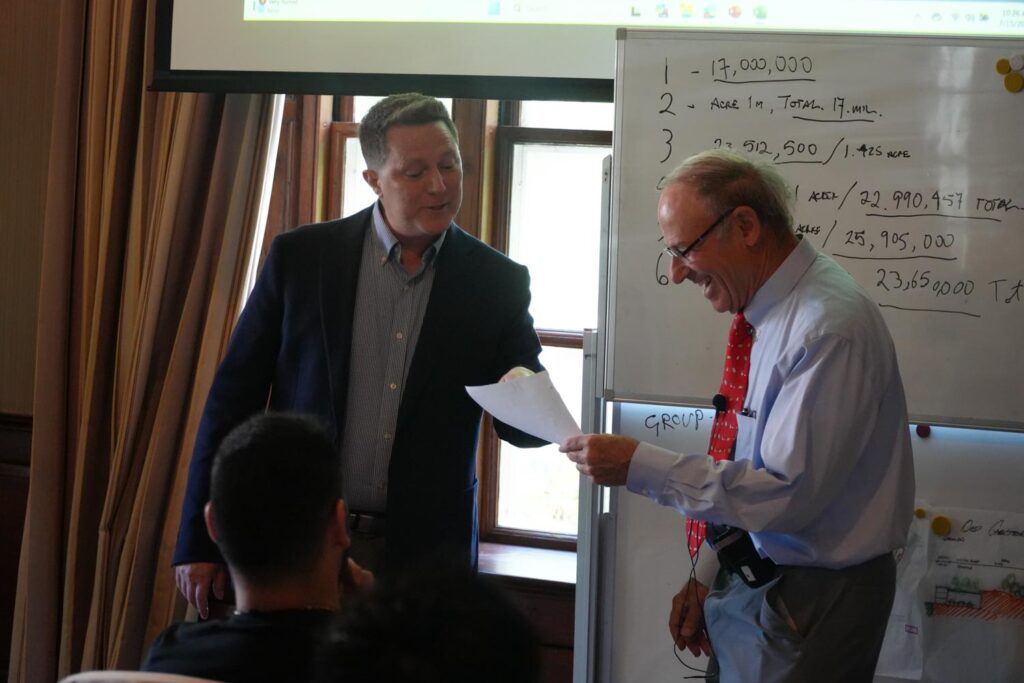
Exciting. Exhilarating. Educational. A bit exhausting, too (in the best possible way). My only lament is that I didn’t participate as much as I could have socially outside of class. I’m an extroverted introvert. I genuinely enjoy people and socializing, but need to recharge alone. During my next two on-campus terms, I intend to further challenge myself in getting to know my classmates. The ones I do know are pretty freakin’ cool.